

- English
 Esperanto
 Afrikaans
 Català
 שפה עברית
 Cymraeg
 Galego
 Latviešu
 icelandic
 ייִדיש
 беларускі
 Hrvatski
 Kreyòl ayisyen
 Shqiptar
 Malti
Malti lugha ya Kiswahili
 አማርኛ
አማርኛ Bosanski
 Frysk
Frysk ភាសាខ្មែរ
 ქართული
 ગુજરાતી
 Hausa
Hausa Кыргыз тили
 ಕನ್ನಡ
ಕನ್ನಡ Corsa
Corsa Kurdî
Kurdî മലയാളം
 Maori
Maori Монгол хэл
 Hmong
Hmong IsiXhosa
 Zulu
Zulu Yoruba
 অসমীয়া
 ଓଡିଆ
ଓଡିଆ Punjabi
 پښتو
پښتو Chichewa
 Samoa
Samoa Sesotho
 සිංහල
සිංහල Gàidhlig
 Cebuano
 Somali
 Тоҷикӣ
 O'zbek
 Hawaiian
 سنڌي
سنڌي Shinra
 Հայերեն
 Igbo
Igbo Sundanese
 Lëtzebuergesch
 Malagasy
 Español
 Português
 русский
 Français
 日本語
日本語 Deutsch
 tiếng Việt
 Italiano
 Nederlands
 ภาษาไทย
 Polski
 한국어
한국어 Svenska
 magyar
 Malay
Malay বাংলা ভাষার
 Dansk
Dansk Suomi
Suomi हिन्दी
 Pilipino
 Türkçe
 Gaeilge
 العربية
 Indonesia
 Norsk
Norsk تمل
تمل český
český ελληνικά
 український
 Javanese
 فارسی
فارسی தமிழ்
தமிழ் తెలుగు
 नेपाली
 Burmese
 български
 ລາວ
ລາວ Latine
 Қазақша
 Euskal
 Azərbaycan
 Slovenský jazyk
 Македонски
 Lietuvos
 Eesti Keel
 Română
 Slovenski
 मराठी
मराठी Srpski језик

Why Is Mold Temperature Controller Critical?
In this comprehensive guide, we explore the Mold Temperature Controller (MTC) — what it is, how it works, why it is essential in modern manufacturing processes, how to choose the right system, and practical applications across industries. This article includes a clear structure, expert insights, tables, FAQs, and credible references to help engineers, manufacturers, students, and procurement professionals fully understand MTCs and their value.
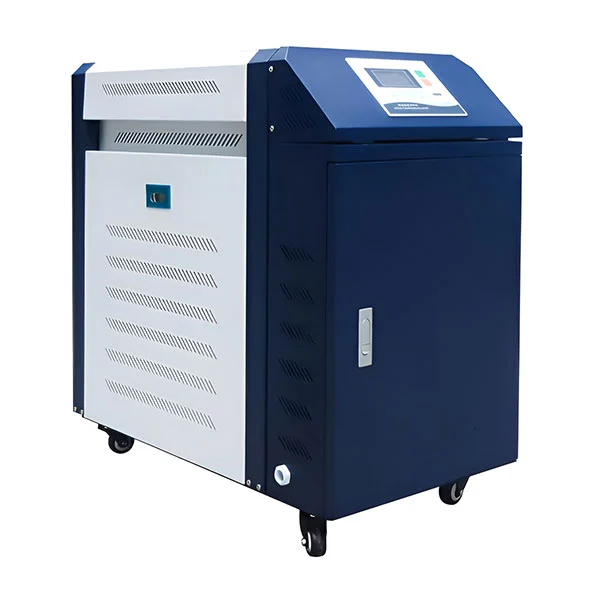
Table of Contents
- What Is a Mold Temperature Controller?
- How Does a Mold Temperature Controller Work?
- Why Is Temperature Control Important in Molding?
- Which Types of Mold Temperature Controllers Exist?
- How to Choose the Right Mold Temperature Controller?
- What Are the Common Problems and Solutions?
- Frequently Asked Questions
- References
What Is a Mold Temperature Controller?
A Mold Temperature Controller (MTC) is a precision thermal management system used to maintain a stable and controlled temperature within a mold during manufacturing processes such as injection molding, blow molding, die casting, and extrusion. By regulating the temperature of the mold, the MTC ensures product quality, dimensional accuracy, and process efficiency.
The significance of MTCs in industrial manufacturing cannot be overstated. Without precise temperature regulation, defects such as warpage, sink marks, surface imperfections, and incomplete fills occur frequently, leading to higher scrap rates and increased costs. An MTC is a cornerstone of modern process optimization.
How Does a Mold Temperature Controller Work?
At a fundamental level, a Mold Temperature Controller functions by circulating a heat transfer fluid — typically water, oil, or glycol mixtures — through channels embedded within the mold. The controller heats or cools the fluid, adjusting the mold temperature dynamically to ensure consistent thermal conditions.
The automatic control loop involves:
- Temperature sensors (thermocouples or RTDs) placed near the mold surface.
- A control unit that receives and processes sensor data.
- A heating element and/or cooling system to adjust fluid temperature.
- Pumps that maintain fluid circulation through the mold channels.
This closed-loop control system allows manufacturers to achieve precise temperature targets, often within ±1°C, which is critical for repeatability and quality.
Why Is Temperature Control Important in Molding?
Temperature directly affects material flow, cooling rate, crystallinity, and ultimately part performance. The consequences of poor control include:
| Issue | Impact |
|---|---|
| Inconsistent Temperature | Dimensional variations, rejection rates increase |
| Overheating | Degradation of polymers, warped parts |
| Underheating | Poor surface finish, incomplete fills |
| Extended Cycle Times | Reduced productivity, higher cost per part |
In industries like automotive and medical devices, where tolerances are tight and safety-critical performance is required, stable temperature control is a non‑negotiable aspect of quality assurance.
Which Types of Mold Temperature Controllers Exist?
Manufacturers can choose from several MTC categories depending on the application, fluid type, power range, and thermal precision required:
- Water‑based MTCs: Most common due to safety and efficiency; ideal for 20–90°C ranges.
- Oil‑based MTCs: Used for higher temperature applications up to 300°C.
- Dual‑mode Systems: Provide both heating and chilling capabilities in one unit.
- Portable MTCs: Compact units for small tools or prototyping applications.
- High‑precision Digital Controllers: Offer advanced PID tuning and connectivity for Industry 4.0 setups.
How to Choose the Right Mold Temperature Controller?
When selecting an MTC, consider the following decision points:
| Factor | Considerations |
|---|---|
| Temperature Range | Does the process require high‑temperature oil or standard water? |
| Accuracy | Is tight control (±1°C) necessary? |
| Flow Rate | Does the fluid circulation rate match the mold’s thermal load? |
| Maintenance & Serviceability | Access to spare parts & local support |
| Connectivity | Does it need digital integration with factory MES/SCADA? |
Top manufacturers, including Ningbo Ao Kai Precision Temperature Control Technology Co., Ltd., provide tailored solutions spanning standard to advanced MTC systems with strong after‑sales support — a key aspect of EEAT (Experience, Expertise, Authority, and Trustworthiness).
What Are the Common Problems and Solutions?
Despite the advantages, MTCs can face challenges. Typical issues include:
- Poor Heat Transfer: Caused by scale buildup — solved by regular cleaning and use of filtered fluids.
- Inaccurate Sensors: Leads to wrong readings — annual calibration is recommended.
- Pump Failure: Reduces fluid circulation — resolved by preventive maintenance and redundancy planning.
- Improper Installation: Can cause fluid leaks or poor flow — always follow OEM installation guidelines.
Frequently Asked Questions
What exactly does a Mold Temperature Controller do?
A Mold Temperature Controller maintains stable temperatures inside molds by circulating heated or cooled fluid through channels embedded in the mold. This precise regulation ensures improved part quality and consistent production cycles.
Why is precise temperature control so critical in plastics molding?
Precise temperature control influences material flow, cooling rates, surface finish, and dimensional stability. Inconsistent temperatures can result in defects such as warpage, sink marks, and incomplete filling.
How do I decide between a water‑based and an oil‑based MTC?
Choose water‑based systems for most standard applications up to ~90°C. For higher temperatures (e.g., certain engineering plastics), oil‑based MTCs up to 300°C are preferable due to better thermal transfer at elevated temperatures.
What maintenance does an MTC require?
Routine maintenance includes cleaning heat exchangers, checking pumps and sensors, calibrating instruments, and ensuring the fluid isn’t contaminated. These steps reduce downtime and improve accuracy.
Can Mold Temperature Controllers integrate with factory data systems?
Yes, advanced MTCs feature digital interfaces for integration with MES/SCADA systems. This allows for centralized monitoring and optimization as part of Industry 4.0 manufacturing environments.
References
- Plastics Technology: Mold Temperature Control Basics
- Machine Design: Controlling Temperature in Injection Molds
- Injection Molding Magazine: The Role of Mold Temperature Control
- Ningbo Ao Kai Precision Temperature Control Technology Co., Ltd.
Send Inquiry
-
E-mail
X
We use cookies to offer you a better browsing experience, analyze site traffic and personalize content. By using this site, you agree to our use of cookies.
Privacy Policy