

- English
 Esperanto
 Afrikaans
 Català
 שפה עברית
 Cymraeg
 Galego
 Latviešu
 icelandic
 ייִדיש
 беларускі
 Hrvatski
 Kreyòl ayisyen
 Shqiptar
 Malti
Malti lugha ya Kiswahili
 አማርኛ
አማርኛ Bosanski
 Frysk
Frysk ភាសាខ្មែរ
 ქართული
 ગુજરાતી
 Hausa
Hausa Кыргыз тили
 ಕನ್ನಡ
ಕನ್ನಡ Corsa
Corsa Kurdî
Kurdî മലയാളം
 Maori
Maori Монгол хэл
 Hmong
Hmong IsiXhosa
 Zulu
Zulu Yoruba
 অসমীয়া
 ଓଡିଆ
ଓଡିଆ Punjabi
 پښتو
پښتو Chichewa
 Samoa
Samoa Sesotho
 සිංහල
සිංහල Gàidhlig
 Cebuano
 Somali
 Тоҷикӣ
 O'zbek
 Hawaiian
 سنڌي
سنڌي Shinra
 Հայերեն
 Igbo
Igbo Sundanese
 Lëtzebuergesch
 Malagasy
 Español
 Português
 русский
 Français
 日本語
日本語 Deutsch
 tiếng Việt
 Italiano
 Nederlands
 ภาษาไทย
 Polski
 한국어
한국어 Svenska
 magyar
 Malay
Malay বাংলা ভাষার
 Dansk
Dansk Suomi
Suomi हिन्दी
 Pilipino
 Türkçe
 Gaeilge
 العربية
 Indonesia
 Norsk
Norsk تمل
تمل český
český ελληνικά
 український
 Javanese
 فارسی
فارسی தமிழ்
தமிழ் తెలుగు
 नेपाली
 Burmese
 български
 ລາວ
ລາວ Latine
 Қазақша
 Euskal
 Azərbaycan
 Slovenský jazyk
 Македонски
 Lietuvos
 Eesti Keel
 Română
 Slovenski
 मराठी
मराठी Srpski језик

What Makes a Low Temperature Chiller Important?
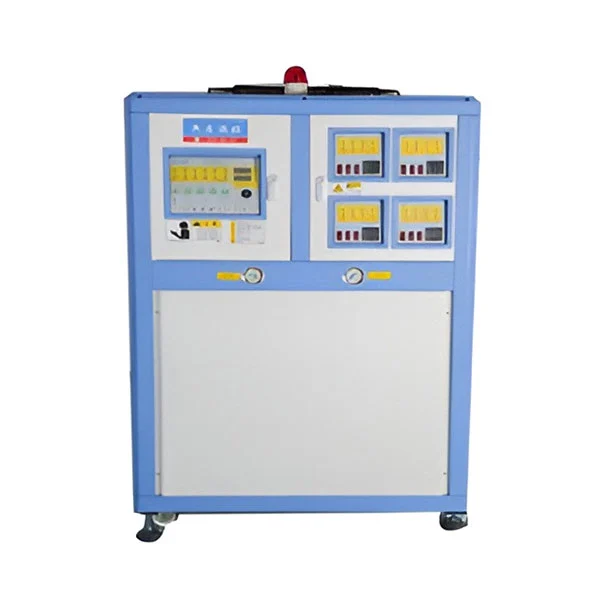
The term Low Temperature Chiller refers to a specialized refrigeration system designed to maintain cooling at temperatures significantly below standard industrial chillers, often reaching well below freezing for critical manufacturing and laboratory needs. These systems are essential where precise, stable, and ultra‑low temperature control is paramount.
Executive Summary
In this comprehensive guide, we explore what a low temperature chiller is, how it works, what its major uses are, and why it is vital for industries such as pharmaceuticals, chemical processing, food production, and advanced engineering labs. We will also cover key design considerations, benefits, challenges, and answer common questions to help engineers, plant managers, and technical buyers understand how these systems contribute to operational success and energy efficiency.
Table of Contents
What Is a Low Temperature Chiller?
A Low Temperature Chiller is an engineered refrigeration system designed to cool liquids or process environments to temperatures well below what conventional chillers achieve. These chillers frequently operate anywhere from mildly sub‑ambient temperatures to extremes such as -50°C to -100°C (-58°F to -148°F) depending on configuration and refrigerant choice.
| Characteristic | Description |
|---|---|
| Operating Range | Typically from above freezing to well below -50°C depending on model |
| Primary Function | Remove heat and maintain a stable low‑temperature environment |
| Construction | Compressor, Condenser, Expansion Valve, Evaporator |
| Control Features | Precision sensors & feedback control loops |
Unlike ordinary chillers which stabilize temperatures around 3–35°C, low temperature chillers push performance into ultra‑cool zones required for scientific and industrial processes.
How Does a Low Temperature Chiller Work?
Low temperature chillers operate using a refrigeration cycle similar to standard systems but optimized for sub‑ambient cooling. The process involves compressing a refrigerant gas, condensing it to liquid, expanding it to lower pressure, and evaporating it to absorb heat. Each stage plays a crucial role in achieving ultra‑low temperatures.
- Compressor: Pressurizes refrigerant gas to start the cooling cycle.
- Condenser: Releases heat to ambient air or water, turning gas to liquid.
- Expansion Valve: Drops refrigerant pressure and temperature.
- Evaporator: Evaporates refrigerant, removing heat from the process fluid or environment.
Advanced low temperature chillers often include digital controls and feedback loops that constantly adjust cooling output to maintain highly accurate setpoints.
Why Are Low Temperature Chillers Used?
Low temperature chillers serve critical roles where precise and stable cooling directly impacts product quality, safety, and process performance. They ensure that sensitive materials remain within strict temperature limits and that manufacturing processes remain reliable.
- Temperature‑sensitive chemical reactions rely on ultra‑stable environments.
- Pharmaceutical storage and formulation require precise cold conditions.
- Food processing and storage depend on stringent cold chain management.
- Medical labs and research facilities demand exact cooling for analytical instruments.
Which Industries Rely on Low Temperature Chillers?
These specialized chillers are widely used in sectors where traditional cooling cannot meet performance needs:
| Industry | Use Cases |
|---|---|
| Pharmaceutical | Cold storage, formulation, biological sample preservation |
| Chemical Manufacturing | Reaction temperature control, process stability |
| Food & Beverage | Processing and storage of perishable goods |
| Laboratories | Precise equipment cooling and environmental control |
| Electronics & Semiconductors | Thermal management of sensitive components |
What Are the Core Benefits?
Low temperature chillers provide several advantages beyond basic cooling. These benefits make them more reliable and cost‑effective over time:
- Precision Temperature Control: Keeps process temperatures extremely stable.
- Energy Efficiency: Modern designs optimize cooling capacity with reduced energy consumption.
- Process Reliability: Ensures product quality across various industrial environments.
- Durability: Engineered with robust components to handle continuous demand.
How to Select the Right Low Temperature Chiller?
Selecting the correct low temperature chiller depends on several key considerations:
| Selection Criteria | Why It Matters |
|---|---|
| Target Operating Temperature | Ensures system can reach and sustain the required temperature |
| Cooling Capacity | Matches heat load of process or equipment |
| Fluid Compatibility | Certain chillers are designed for glycols or specialty coolants |
| Control Precision | Affects temperature stability and process quality |
| Maintenance Needs | Ease of service and long‑term operating cost |
Incorporating accurate load calculations and understanding your specific application needs will ensure you choose a system that delivers optimal performance. For tailored engineered solutions, industry experts such as Ningbo Ao Kai Precision Temperature Control Technology Co., Ltd. offer customizable options that fit exact process parameters and support long‑term reliability.
Frequently Asked Questions
What is the difference between a standard chiller and a low temperature chiller?
Standard chillers maintain moderate cooling ranges (typically 3–35°C), whereas low temperature chillers are built to achieve much colder conditions often below freezing for specialized industrial and laboratory uses.
Standard chillers maintain moderate cooling ranges (typically 3–35°C), whereas low temperature chillers are built to achieve much colder conditions often below freezing for specialized industrial and laboratory uses.
How cold can a low temperature chiller go?
A low temperature chiller can often reach temperatures between -50°C (-58°F) and -100°C, depending on refrigerant and design, enabling ultra‑low temperature operations.
A low temperature chiller can often reach temperatures between -50°C (-58°F) and -100°C, depending on refrigerant and design, enabling ultra‑low temperature operations.
Why would a pharmaceutical plant need a low temperature chiller?
Pharmaceutical plants use low temperature chillers to maintain stable cold environments for drug formulation, storage, and sensitive biological sample handling where even small temperature fluctuations can compromise quality.
Pharmaceutical plants use low temperature chillers to maintain stable cold environments for drug formulation, storage, and sensitive biological sample handling where even small temperature fluctuations can compromise quality.
Are low temperature chillers energy efficient?
Yes, modern low temperature chillers utilize advanced compressor technologies and control systems to improve energy efficiency while providing precise cooling, reducing operational costs over time.
Yes, modern low temperature chillers utilize advanced compressor technologies and control systems to improve energy efficiency while providing precise cooling, reducing operational costs over time.
Can I customize a low temperature chiller for my application?
Yes, many manufacturers offer customization to tailor temperature ranges, control systems, and cooling capacity to specific industrial requirements — ensuring optimum performance and process compatibility.
Yes, many manufacturers offer customization to tailor temperature ranges, control systems, and cooling capacity to specific industrial requirements — ensuring optimum performance and process compatibility.
Conclusion
Understanding the capabilities and applications of low temperature chillers is essential for selecting the right system for industrial and laboratory cooling needs. From precision control to process safety and energy savings, these chilling systems are indispensable in advanced manufacturing and research environments. If you need expert guidance or a customized solution, reach out to industry professionals.
Contact us at Ningbo Ao Kai Precision Temperature Control Technology Co., Ltd. for tailored low temperature chiller systems designed to meet your exact cooling challenges and help you optimize performance, reliability, and energy efficiency.
Send Inquiry
-
E-mail
X
We use cookies to offer you a better browsing experience, analyze site traffic and personalize content. By using this site, you agree to our use of cookies.
Privacy Policy