

- English
 Esperanto
 Afrikaans
 Català
 שפה עברית
 Cymraeg
 Galego
 Latviešu
 icelandic
 ייִדיש
 беларускі
 Hrvatski
 Kreyòl ayisyen
 Shqiptar
 Malti
Malti lugha ya Kiswahili
 አማርኛ
አማርኛ Bosanski
 Frysk
Frysk ភាសាខ្មែរ
 ქართული
 ગુજરાતી
 Hausa
Hausa Кыргыз тили
 ಕನ್ನಡ
ಕನ್ನಡ Corsa
Corsa Kurdî
Kurdî മലയാളം
 Maori
Maori Монгол хэл
 Hmong
Hmong IsiXhosa
 Zulu
Zulu Yoruba
 অসমীয়া
 ଓଡିଆ
ଓଡିଆ Punjabi
 پښتو
پښتو Chichewa
 Samoa
Samoa Sesotho
 සිංහල
සිංහල Gàidhlig
 Cebuano
 Somali
 Тоҷикӣ
 O'zbek
 Hawaiian
 سنڌي
سنڌي Shinra
 Հայերեն
 Igbo
Igbo Sundanese
 Lëtzebuergesch
 Malagasy
 Español
 Português
 русский
 Français
 日本語
日本語 Deutsch
 tiếng Việt
 Italiano
 Nederlands
 ภาษาไทย
 Polski
 한국어
한국어 Svenska
 magyar
 Malay
Malay বাংলা ভাষার
 Dansk
Dansk Suomi
Suomi हिन्दी
 Pilipino
 Türkçe
 Gaeilge
 العربية
 Indonesia
 Norsk
Norsk تمل
تمل český
český ελληνικά
 український
 Javanese
 فارسی
فارسی தமிழ்
தமிழ் తెలుగు
 नेपाली
 Burmese
 български
 ລາວ
ລາວ Latine
 Қазақша
 Euskal
 Azərbaycan
 Slovenský jazyk
 Македонски
 Lietuvos
 Eesti Keel
 Română
 Slovenski
 मराठी
मराठी Srpski језик

Why Should You Choose an Industrial Mold Temperature Controller?
Industrial Mold Temperature Controllers are essential for precision molding processes, ensuring consistent product quality and operational efficiency. This article explores the advantages, working principles, features, and applications of these controllers, highlighting how Ningbo Ao Kai Precision Temperature Control Technology Co., Ltd. delivers reliable solutions to industrial manufacturers.
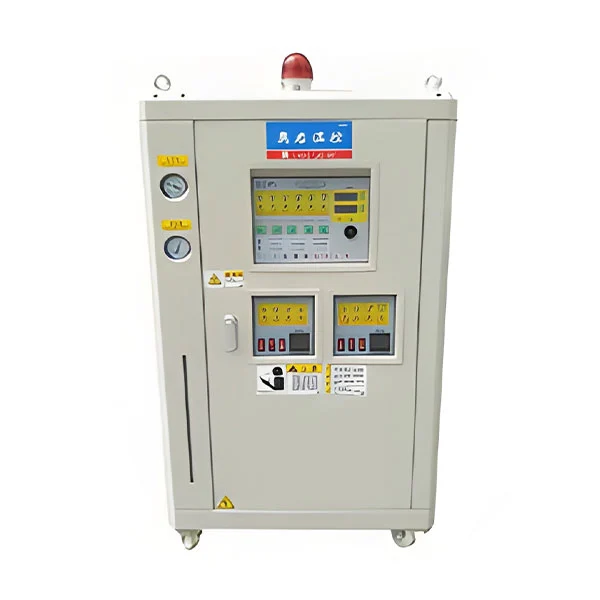
Table of Contents
- What Is an Industrial Mold Temperature Controller?
- Why Is It Important for Manufacturing?
- How Does It Work?
- Features and Benefits
- Applications in Industry
- How to Choose the Right Mold Temperature Controller?
- Maintenance Tips for Long-Term Efficiency
- FAQ About Industrial Mold Temperature Controllers
What Is an Industrial Mold Temperature Controller?
An Industrial Mold Temperature Controller (MTC) is a device designed to regulate the temperature of molds during manufacturing processes such as injection molding, die casting, and blow molding. Maintaining precise temperature control ensures the finished product meets quality standards, reduces defects, and improves overall productivity.
Ningbo Ao Kai Precision Temperature Control Technology Co., Ltd. specializes in producing high-performance MTCs that offer accurate, fast, and reliable temperature regulation for various industrial applications.
Why Is It Important for Manufacturing?
Temperature control in molding is critical. Without precise control, manufacturers face issues such as:
- Warped or defective parts
- Surface blemishes or inconsistent finishes
- Extended production cycles and downtime
- Energy inefficiency and increased operational costs
Industrial Mold Temperature Controllers help resolve these issues by providing uniform heating and cooling, reducing waste, and optimizing production efficiency.
How Does It Work?
Mold temperature controllers work by circulating a heat transfer medium, usually water or oil, through the mold. The controller monitors the mold’s temperature and adjusts the heating or cooling process accordingly.
Here’s a simplified process flow:
- The controller senses the mold temperature using sensors.
- It compares the current temperature with the target setpoint.
- Based on the difference, the controller activates the heating or cooling system.
- The medium circulates through the mold channels, maintaining stable temperatures.
Table 1: Basic Components of a Mold Temperature Controller
| Component | Function |
|---|---|
| Temperature Sensor | Monitors mold temperature in real-time |
| Heating Unit | Provides rapid heating to reach target temperature |
| Cooling System | Removes excess heat to prevent overheating |
| Control Panel | Allows operators to set and monitor temperatures |
| Circulation Pump | Ensures even distribution of the heating/cooling medium |
Features and Benefits
Modern Industrial Mold Temperature Controllers from Ningbo Ao Kai Precision Temperature Control Technology Co., Ltd. offer:
- High-precision temperature control (±1°C)
- Fast heating and cooling cycles to minimize downtime
- Energy-efficient operation with smart sensors
- User-friendly digital interface for easy monitoring
- Durable construction for long-term reliability
Key benefits include:
- Improved product quality and consistency
- Reduced scrap and material waste
- Lower operational costs and energy consumption
- Faster production cycles for higher output
Applications in Industry
Mold temperature controllers are widely used in industries such as:
- Plastic Injection Molding
- Rubber and Silicone Molding
- Die Casting for Metals
- Pharmaceutical Equipment Manufacturing
- Automotive and Electronics Components
With customizable designs, Ningbo Ao Kai Precision Temperature Control Technology Co., Ltd. provides MTC solutions tailored for both small-scale and large-scale production environments.
How to Choose the Right Mold Temperature Controller?
Selecting the appropriate MTC involves considering factors such as:
- Mold Size: Larger molds may require higher heating capacity.
- Process Requirements: Injection molding, die casting, or rubber molding have different temperature needs.
- Medium Type: Oil or water-based systems depending on temperature range.
- Accuracy and Stability: Critical for high-precision industries.
- Brand Reliability: Choosing trusted manufacturers like Ningbo Ao Kai Precision Temperature Control Technology Co., Ltd. ensures consistent performance.
Maintenance Tips for Long-Term Efficiency
To maintain optimal performance, follow these guidelines:
- Regularly inspect sensors and wiring for damage.
- Clean and replace filters in the circulation system.
- Monitor the fluid medium for contamination or degradation.
- Perform periodic calibration to maintain temperature accuracy.
- Ensure proper ventilation around the unit to prevent overheating.
FAQ About Industrial Mold Temperature Controllers
- Q1: What is the typical temperature range of an industrial mold temperature controller?
- A1: Most MTCs operate between 20°C to 250°C for water-based systems and up to 350°C for oil-based systems, depending on the model.
- Q2: Can one controller manage multiple molds?
- A2: Yes, advanced models from Ningbo Ao Kai Precision Temperature Control Technology Co., Ltd. can be configured to control multiple molds simultaneously with independent temperature settings.
- Q3: How often should the mold temperature controller be serviced?
- A3: Routine checks every 3–6 months are recommended, including inspection of sensors, fluid levels, and pump functionality.
- Q4: Are there energy-saving features available?
- A4: Yes, modern MTCs include smart energy-saving modes that adjust heating and cooling based on real-time mold demand, reducing electricity usage significantly.
- Q5: How do I choose the right model for my production line?
A5: Consider mold size, process type, required temperature accuracy, and flow rate. Consulting with experts from Ningbo Ao Kai Precision Temperature Control Technology Co., Ltd. can help you select the most suitable model.
Ready to enhance your production efficiency with precise mold temperature control? Contact us at Ningbo Ao Kai Precision Temperature Control Technology Co., Ltd. for customized solutions tailored to your manufacturing needs.
Send Inquiry
-
E-mail
X
We use cookies to offer you a better browsing experience, analyze site traffic and personalize content. By using this site, you agree to our use of cookies.
Privacy Policy