

- English
 Esperanto
 Afrikaans
 Català
 שפה עברית
 Cymraeg
 Galego
 Latviešu
 icelandic
 ייִדיש
 беларускі
 Hrvatski
 Kreyòl ayisyen
 Shqiptar
 Malti
Malti lugha ya Kiswahili
 አማርኛ
አማርኛ Bosanski
 Frysk
Frysk ភាសាខ្មែរ
 ქართული
 ગુજરાતી
 Hausa
Hausa Кыргыз тили
 ಕನ್ನಡ
ಕನ್ನಡ Corsa
Corsa Kurdî
Kurdî മലയാളം
 Maori
Maori Монгол хэл
 Hmong
Hmong IsiXhosa
 Zulu
Zulu Yoruba
 অসমীয়া
 ଓଡିଆ
ଓଡିଆ Punjabi
 پښتو
پښتو Chichewa
 Samoa
Samoa Sesotho
 සිංහල
සිංහල Gàidhlig
 Cebuano
 Somali
 Тоҷикӣ
 O'zbek
 Hawaiian
 سنڌي
سنڌي Shinra
 Հայերեն
 Igbo
Igbo Sundanese
 Lëtzebuergesch
 Malagasy
 Español
 Português
 русский
 Français
 日本語
日本語 Deutsch
 tiếng Việt
 Italiano
 Nederlands
 ภาษาไทย
 Polski
 한국어
한국어 Svenska
 magyar
 Malay
Malay বাংলা ভাষার
 Dansk
Dansk Suomi
Suomi हिन्दी
 Pilipino
 Türkçe
 Gaeilge
 العربية
 Indonesia
 Norsk
Norsk تمل
تمل český
český ελληνικά
 український
 Javanese
 فارسی
فارسی தமிழ்
தமிழ் తెలుగు
 नेपाली
 Burmese
 български
 ລາວ
ລາວ Latine
 Қазақша
 Euskal
 Azərbaycan
 Slovenský jazyk
 Македонски
 Lietuvos
 Eesti Keel
 Română
 Slovenski
 मराठी
मराठी Srpski језик

How Does a Mold Washing Machine Improve Cleaning Efficiency and Extend Mold Lifespan?
Article Summary: Mold contamination, residue buildup, and inefficient manual cleaning processes often result in production delays, reduced product quality, and increased maintenance costs. This article provides a comprehensive explanation of how a mold washing machine works, its core components, operational advantages, and how it addresses common industrial pain points. It also outlines key parameters, application scenarios, and selection guidelines to help businesses optimize cleaning performance and extend mold service life.
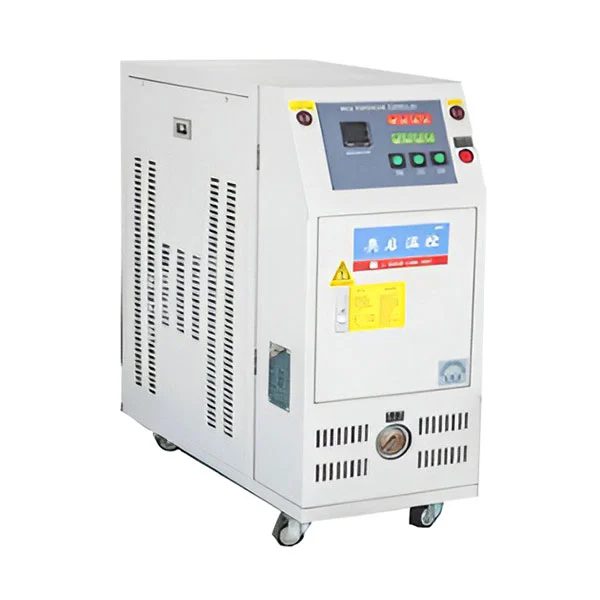
Table of Contents
- 1. Overview of Mold Washing Machines
- 2. How a Mold Washing Machine Works
- 3. Key Features and Advantages
- 4. Product Parameters and Specifications
- 5. Common Applications
- 6. How to Choose the Right Machine
- 7. Maintenance and Best Practices
- 8. Frequently Asked Questions
- 9. Conclusion
1. Overview of Mold Washing Machines
A mold washing machine is an industrial cleaning system specifically designed to remove oil, carbon deposits, rust, and other contaminants from molds used in manufacturing processes such as injection molding, die casting, and stamping. Traditional manual cleaning methods are time-consuming and inconsistent, often leading to incomplete cleaning and surface damage.
Modern mold washing machines, such as those developed by AQWK, integrate automated cleaning cycles, high-pressure spray systems, and temperature control technologies to ensure consistent and efficient results. These systems significantly reduce labor dependency while improving cleaning precision.
2. How a Mold Washing Machine Works
The operation of a mold washing machine is based on a combination of mechanical, thermal, and chemical cleaning processes. The workflow typically includes the following stages:
- Pre-Cleaning Phase: Removal of loose debris using water or solvent spray.
- Main Cleaning Cycle: High-pressure nozzles spray heated cleaning agents to dissolve stubborn residues.
- Rinsing Process: Clean water eliminates chemical residues to prevent corrosion.
- Drying Stage: Hot air circulation ensures complete drying and prevents oxidation.
The integration of rotating baskets or oscillating spray arms ensures that all mold surfaces, including complex cavities, are thoroughly cleaned without manual intervention.
3. Key Features and Advantages
Mold washing machines provide several operational benefits that directly address industrial challenges:
- High Efficiency: Automated cycles reduce cleaning time by up to 70% compared to manual methods.
- Consistent Results: Standardized processes eliminate variability caused by human error.
- Surface Protection: Controlled pressure and temperature prevent damage to delicate mold surfaces.
- Energy Optimization: Advanced systems recycle water and heat, reducing operational costs.
- Labor Reduction: Minimal operator involvement lowers labor expenses and improves safety.
These advantages make mold washing machines essential for industries that rely on high-precision tooling.
4. Product Parameters and Specifications
| Parameter | Description |
| Cleaning Method | High-pressure spray + immersion cleaning |
| Temperature Range | 50°C – 120°C adjustable |
| Tank Capacity | 200L – 1000L (customizable) |
| Material | Stainless steel (corrosion-resistant) |
| Control System | PLC automatic control |
| Drying System | Hot air circulation |
| Power Supply | 380V / 50Hz (industrial standard) |
These specifications can vary depending on production requirements and mold size.
5. Common Applications
Mold washing machines are widely used across multiple industries where precision tooling is critical:
- Injection molding (plastic components)
- Automotive parts manufacturing
- Electronics and semiconductor production
- Rubber and silicone mold cleaning
- Die casting and metal forming industries
In these sectors, maintaining clean molds directly impacts product quality, cycle time, and defect rates.
6. How to Choose the Right Machine
Selecting the appropriate mold washing machine requires a structured evaluation of operational needs:
- Mold Size and Weight: Ensure the machine capacity matches production requirements.
- Cleaning Complexity: Complex molds may require multi-directional spray systems.
- Throughput Demand: High-volume production requires faster cycle times.
- Energy Consumption: Evaluate systems with heat recovery and water recycling features.
- Automation Level: Fully automated systems reduce manual intervention and improve consistency.
Working with an experienced manufacturer like AQWK can help customize solutions tailored to specific industrial needs.
7. Maintenance and Best Practices
Proper maintenance ensures long-term performance and reliability:
- Regularly clean filters and spray nozzles to maintain pressure efficiency.
- Monitor cleaning solution concentration to avoid ineffective cleaning.
- Inspect seals and pumps for wear and tear.
- Schedule periodic system calibration for optimal operation.
- Use compatible cleaning agents to prevent corrosion or damage.
Implementing these practices minimizes downtime and extends equipment lifespan.
8. Frequently Asked Questions
Q1: Can a mold washing machine handle different mold materials?
Yes, modern machines are designed to clean steel, aluminum, and alloy molds safely by adjusting pressure and temperature settings.
Q2: How often should molds be cleaned?
The cleaning frequency depends on production volume and material type, but regular cleaning after each production cycle is recommended for optimal performance.
Q3: Is chemical cleaning necessary?
Chemical agents enhance cleaning efficiency by dissolving stubborn residues, but eco-friendly solutions are available to reduce environmental impact.
Q4: Does the machine require skilled operators?
Most systems feature user-friendly interfaces, allowing operators to manage cleaning cycles with minimal training.
9. Conclusion
Mold washing machines play a critical role in improving manufacturing efficiency, reducing operational costs, and ensuring consistent product quality. By integrating automated cleaning processes with advanced engineering, these machines eliminate the limitations of traditional cleaning methods.
AQWK continues to provide reliable and high-performance mold washing solutions tailored to diverse industrial requirements. Investing in the right equipment not only enhances cleaning precision but also significantly extends mold lifespan.
If you are looking for a professional and efficient mold cleaning solution, contact us today to explore customized options and improve your production efficiency.
Send Inquiry
-
E-mail
X
We use cookies to offer you a better browsing experience, analyze site traffic and personalize content. By using this site, you agree to our use of cookies.
Privacy Policy