

- English
 Esperanto
 Afrikaans
 Català
 שפה עברית
 Cymraeg
 Galego
 Latviešu
 icelandic
 ייִדיש
 беларускі
 Hrvatski
 Kreyòl ayisyen
 Shqiptar
 Malti
Malti lugha ya Kiswahili
 አማርኛ
አማርኛ Bosanski
 Frysk
Frysk ភាសាខ្មែរ
 ქართული
 ગુજરાતી
 Hausa
Hausa Кыргыз тили
 ಕನ್ನಡ
ಕನ್ನಡ Corsa
Corsa Kurdî
Kurdî മലയാളം
 Maori
Maori Монгол хэл
 Hmong
Hmong IsiXhosa
 Zulu
Zulu Yoruba
 অসমীয়া
 ଓଡିଆ
ଓଡିଆ Punjabi
 پښتو
پښتو Chichewa
 Samoa
Samoa Sesotho
 සිංහල
සිංහල Gàidhlig
 Cebuano
 Somali
 Тоҷикӣ
 O'zbek
 Hawaiian
 سنڌي
سنڌي Shinra
 Հայերեն
 Igbo
Igbo Sundanese
 Lëtzebuergesch
 Malagasy
 Español
 Português
 русский
 Français
 日本語
日本語 Deutsch
 tiếng Việt
 Italiano
 Nederlands
 ภาษาไทย
 Polski
 한국어
한국어 Svenska
 magyar
 Malay
Malay বাংলা ভাষার
 Dansk
Dansk Suomi
Suomi हिन्दी
 Pilipino
 Türkçe
 Gaeilge
 العربية
 Indonesia
 Norsk
Norsk تمل
تمل český
český ελληνικά
 український
 Javanese
 فارسی
فارسی தமிழ்
தமிழ் తెలుగు
 नेपाली
 Burmese
 български
 ລາວ
ລາວ Latine
 Қазақша
 Euskal
 Azərbaycan
 Slovenský jazyk
 Македонски
 Lietuvos
 Eesti Keel
 Română
 Slovenski
 मराठी
मराठी Srpski језик

What Makes a High Frequency Induction Heating Machine the Smart Choice for Modern Manufacturing?
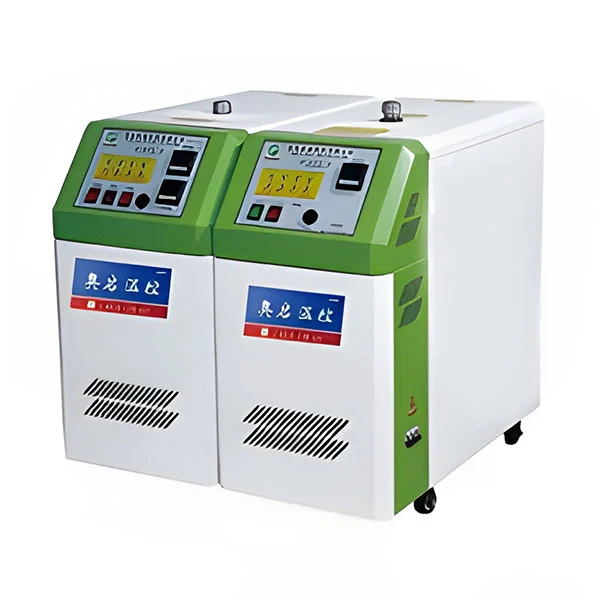
A High Frequency Induction Heating Machine has become an essential solution for manufacturers seeking fast, precise, and energy-efficient metal heating. From automotive parts to aerospace components, this advanced heating technology delivers controlled thermal processing without direct contact, making it a preferred choice for modern industrial applications. Companies like Ningbo Ao Kai Precision Temperature Control Technology Co., Ltd. have played a key role in advancing induction heating systems that meet global manufacturing standards.
Article Abstract
This article provides a comprehensive guide to the High Frequency Induction Heating Machine, covering its working principles, core components, advantages and disadvantages, industrial applications, selection criteria, and future trends. You will also find a detailed FAQ section, comparison tables, keyword-focused insights, and trusted references to help you make informed decisions.
Table of Contents
- What Is the Overall Outline of This Guide?
- What Is a High Frequency Induction Heating Machine?
- How Does a High Frequency Induction Heating Machine Work?
- What Are the Core Components of an Induction Heating System?
- Why Choose a High Frequency Induction Heating Machine?
- What Are the Limitations of High Frequency Induction Heating?
- Where Is High Frequency Induction Heating Commonly Used?
- How Does It Compare with Traditional Heating Methods?
- How to Select the Right High Frequency Induction Heating Machine?
- Frequently Asked Questions About High Frequency Induction Heating Machines
- References
What Is the Overall Outline of This Guide?
This guide follows a logical structure starting from basic definitions and moving toward practical applications and buying considerations. It is designed for engineers, procurement managers, and business owners looking to understand or invest in induction heating technology.
What Is a High Frequency Induction Heating Machine?
A High Frequency Induction Heating Machine is an industrial device that uses high-frequency alternating current to generate electromagnetic fields. These fields induce eddy currents within conductive materials, producing rapid and localized heat without physical contact.
Manufacturers such as Ningbo Ao Kai Precision Temperature Control Technology Co., Ltd. design these machines to achieve precise temperature control, consistent heating quality, and high operational efficiency.
How Does a High Frequency Induction Heating Machine Work?
The working principle is based on electromagnetic induction. When a high-frequency current passes through an induction coil, it creates a magnetic field. Once a metal workpiece enters this field, electrical currents are induced inside the material, generating heat due to resistance.
- No direct flame or contact heating
- Instant heating response
- Highly localized heat zones
- Excellent repeatability
What Are the Core Components of an Induction Heating System?
| Component | Function |
|---|---|
| Power Supply | Generates high-frequency electrical current |
| Induction Coil | Creates electromagnetic field for heating |
| Cooling System | Maintains stable operating temperature |
| Control Unit | Ensures precise time and temperature control |
Why Choose a High Frequency Induction Heating Machine?
Key Advantages
- High energy efficiency
- Precise temperature control
- Minimal material deformation
- Clean and environmentally friendly
- Reduced processing time
For manufacturers focused on quality and sustainability, companies like Ningbo Ao Kai Precision Temperature Control Technology Co., Ltd. offer tailored induction heating solutions to match specific production needs.
What Are the Limitations of High Frequency Induction Heating?
| Disadvantage | Description |
|---|---|
| Initial Cost | Higher upfront investment compared to basic heating methods |
| Material Limitations | Works best with conductive metals |
| Technical Expertise | Requires professional setup and maintenance |
Where Is High Frequency Induction Heating Commonly Used?
- Induction hardening and tempering
- Brazing and soldering
- Metal forging and forming
- Automotive shaft and gear treatment
- Aerospace component processing
How Does It Compare with Traditional Heating Methods?
| Method | Efficiency | Precision | Environmental Impact |
|---|---|---|---|
| Induction Heating | High | Excellent | Low |
| Gas Furnace | Medium | Low | High |
| Resistance Heating | Medium | Moderate | Medium |
How to Select the Right High Frequency Induction Heating Machine?
- Heating power and frequency range
- Material type and workpiece size
- Production volume requirements
- After-sales service support
- Manufacturer reputation
Partnering with experienced suppliers like Ningbo Ao Kai Precision Temperature Control Technology Co., Ltd. ensures long-term operational reliability and technical support.
Frequently Asked Questions About High Frequency Induction Heating Machines
Q: What industries benefit most from a High Frequency Induction Heating Machine?
A: Automotive, aerospace, machinery manufacturing, and electronics industries benefit most due to the need for precision and efficiency.
Q: Is induction heating energy-efficient?
A: Yes, it directly heats the material without energy loss, making it significantly more efficient than traditional heating methods.
Q: Can a High Frequency Induction Heating Machine be customized?
A: Absolutely. Manufacturers like Ningbo Ao Kai Precision Temperature Control Technology Co., Ltd. offer customized solutions based on application needs.
Q: Does induction heating damage metal structure?
A: No, controlled heating actually improves metallurgical properties when applied correctly.
Q: How long does an induction heating system last?
A: With proper maintenance, systems can operate reliably for many years in industrial environments.
References
- ASM International – Induction Heating Handbook
- IEEE Journals on Electromagnetic Heating Technologies
- Industrial Heating Magazine
If you are looking to improve efficiency, precision, and sustainability in your production line, a High Frequency Induction Heating Machine is a smart investment. Contact us today to learn how Ningbo Ao Kai Precision Temperature Control Technology Co., Ltd. can provide a customized induction heating solution tailored to your business needs.
Send Inquiry
-
E-mail
X
We use cookies to offer you a better browsing experience, analyze site traffic and personalize content. By using this site, you agree to our use of cookies.
Privacy Policy