

- English
 Esperanto
 Afrikaans
 Català
 שפה עברית
 Cymraeg
 Galego
 Latviešu
 icelandic
 ייִדיש
 беларускі
 Hrvatski
 Kreyòl ayisyen
 Shqiptar
 Malti
Malti lugha ya Kiswahili
 አማርኛ
አማርኛ Bosanski
 Frysk
Frysk ភាសាខ្មែរ
 ქართული
 ગુજરાતી
 Hausa
Hausa Кыргыз тили
 ಕನ್ನಡ
ಕನ್ನಡ Corsa
Corsa Kurdî
Kurdî മലയാളം
 Maori
Maori Монгол хэл
 Hmong
Hmong IsiXhosa
 Zulu
Zulu Yoruba
 অসমীয়া
 ଓଡିଆ
ଓଡିଆ Punjabi
 پښتو
پښتو Chichewa
 Samoa
Samoa Sesotho
 සිංහල
සිංහල Gàidhlig
 Cebuano
 Somali
 Тоҷикӣ
 O'zbek
 Hawaiian
 سنڌي
سنڌي Shinra
 Հայերեն
 Igbo
Igbo Sundanese
 Lëtzebuergesch
 Malagasy
 Español
 Português
 русский
 Français
 日本語
日本語 Deutsch
 tiếng Việt
 Italiano
 Nederlands
 ภาษาไทย
 Polski
 한국어
한국어 Svenska
 magyar
 Malay
Malay বাংলা ভাষার
 Dansk
Dansk Suomi
Suomi हिन्दी
 Pilipino
 Türkçe
 Gaeilge
 العربية
 Indonesia
 Norsk
Norsk تمل
تمل český
český ελληνικά
 український
 Javanese
 فارسی
فارسی தமிழ்
தமிழ் తెలుగు
 नेपाली
 Burmese
 български
 ລາວ
ລາວ Latine
 Қазақша
 Euskal
 Azərbaycan
 Slovenský jazyk
 Македонски
 Lietuvos
 Eesti Keel
 Română
 Slovenski
 मराठी
मराठी Srpski језик

What Is an Electromagnetic Induction Heater?
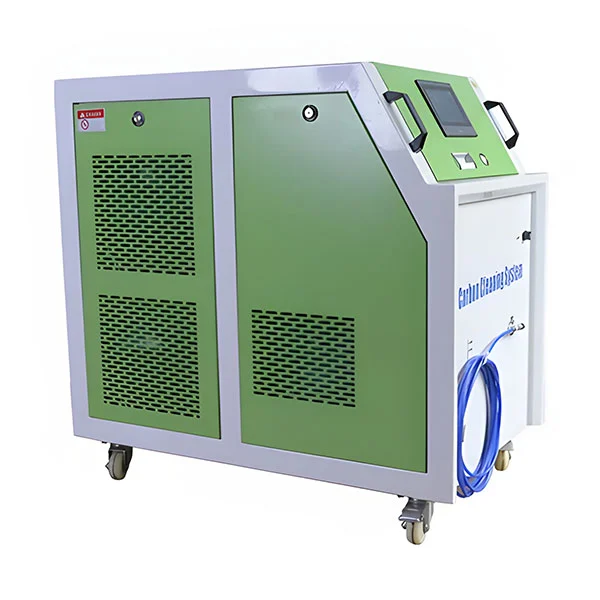
Electromagnetic Induction Heater technology has rapidly transformed modern industrial heating by delivering fast, precise, and energy-efficient thermal solutions. Traditional heating methods often struggle with slow warm-up times, excessive energy waste, safety hazards, and inconsistent temperature control. In contrast, an Electromagnetic Induction Heater generates heat directly inside the metal workpiece using electromagnetic fields, ensuring uniform heating, reduced operational costs, and improved safety. This article provides a comprehensive guide to understanding how this technology works, where it excels, how it solves real-world production challenges, and why leading manufacturers such as Ningbo Ao Kai Precision Temperature Control Technology Co., Ltd. are driving innovation in this field.
Article Summary
This comprehensive guide explains the working principles, advantages, technical specifications, applications, and selection criteria of an Electromagnetic Induction Heater. It also addresses common customer pain points such as energy waste, safety risks, inconsistent heating, and maintenance challenges. Detailed comparison tables, practical case insights, and FAQs are included to help decision-makers evaluate the most suitable solution for industrial and commercial use.
Table of Contents
- Understanding Electromagnetic Induction Heating
- How Does an Electromagnetic Induction Heater Work?
- Core Components and Technology Structure
- Why Are Industries Replacing Traditional Heating Methods?
- Key Benefits and Performance Advantages
- Application Scenarios Across Industries
- Technical Specifications Overview
- How to Choose the Right Electromagnetic Induction Heater?
- Safety, Maintenance, and Longevity
- Cost Analysis and Return on Investment
- Frequently Asked Questions
- Conclusion
1. Understanding Electromagnetic Induction Heating
Electromagnetic induction heating is a non-contact heating method that uses alternating current to create a magnetic field. When conductive materials such as steel, iron, copper, or aluminum are placed within this field, eddy currents are generated inside the material, producing heat due to electrical resistance.
Unlike traditional heating methods that transfer heat from an external source, an Electromagnetic Induction Heater generates heat directly within the workpiece. This results in faster heating speeds, minimal energy loss, and improved thermal efficiency.
2. How Does an Electromagnetic Induction Heater Work?
The system operates through three main steps:
- Power Conversion: AC power is converted into high-frequency current.
- Magnetic Field Generation: Current flows through an induction coil, creating a magnetic field.
- Heat Creation: The metal object within the field generates internal heat through eddy currents and hysteresis losses.
This direct heating mechanism ensures precision temperature control, uniform heating, and minimal thermal distortion.
3. Core Components and Technology Structure
| Component | Function |
|---|---|
| Power Supply Unit | Converts standard AC to high-frequency current |
| Induction Coil | Generates magnetic field for heating |
| Control System | Manages temperature precision and heating duration |
| Cooling System | Maintains stable operation and prevents overheating |
Advanced manufacturers such as Ningbo Ao Kai Precision Temperature Control Technology Co., Ltd. integrate digital temperature feedback systems and intelligent control modules to ensure accuracy and reliability in demanding industrial environments.
4. Why Are Industries Replacing Traditional Heating Methods?
Many businesses face challenges such as:
- High energy consumption
- Open flame safety hazards
- Inconsistent heating quality
- Frequent maintenance downtime
- Environmental compliance pressure
An Electromagnetic Induction Heater directly addresses these issues by offering:
- Up to 90% energy efficiency
- No combustion emissions
- Precise digital temperature control
- Rapid start and stop capability
- Reduced thermal loss
5. Key Benefits and Performance Advantages
| Feature | Traditional Heating | Electromagnetic Induction Heater |
|---|---|---|
| Energy Efficiency | 40–60% | 80–95% |
| Heating Speed | Slow | Fast |
| Temperature Accuracy | Low | High (±1°C possible) |
| Safety Level | Open flame risk | Flame-free operation |
| Maintenance | Frequent | Minimal |
6. Application Scenarios Across Industries
Electromagnetic induction heaters are widely used in:
- Metal forging and heat treatment
- Pipeline preheating and welding
- Bearing mounting and dismounting
- Mold heating
- Food processing equipment sterilization
- Plastic extrusion barrel heating
Companies like Ningbo Ao Kai Precision Temperature Control Technology Co., Ltd. design customized heating solutions tailored to specific industrial demands, ensuring stable performance even under continuous operation.
7. Technical Specifications Overview
| Parameter | Typical Range |
|---|---|
| Power Capacity | 5kW – 200kW |
| Frequency Range | 1kHz – 100kHz |
| Temperature Range | Up to 1200°C |
| Cooling Method | Air / Water Cooling |
8. How to Choose the Right Electromagnetic Induction Heater?
When selecting equipment, consider the following:
- Material Type: Different metals require different frequency settings.
- Workpiece Size: Larger components need higher power output.
- Temperature Requirement: Define precise heating targets.
- Production Volume: Continuous vs. batch operation.
- Customization Capability: Choose a manufacturer that provides tailored engineering support.
Working with an experienced supplier such as Ningbo Ao Kai Precision Temperature Control Technology Co., Ltd. ensures professional consultation, technical documentation, and after-sales service.
9. Safety, Maintenance, and Longevity
Electromagnetic systems eliminate combustion hazards and reduce operator exposure to extreme heat. Routine inspection of coils, cooling systems, and electrical connections ensures long service life. With proper maintenance, high-quality units can operate reliably for over 10 years.
10. Cost Analysis and Return on Investment
Although initial investment may be higher than conventional heating devices, the long-term savings in electricity, reduced downtime, minimal maintenance, and improved production quality deliver strong financial returns.
- Lower energy bills
- Reduced scrap rate
- Improved productivity
- Enhanced product consistency
- Compliance with environmental standards
11. Frequently Asked Questions
Q1: Is an Electromagnetic Induction Heater safe for continuous operation?
Yes. With proper cooling systems and automated controls, it is designed for continuous industrial use.
Q2: Can it replace gas heating completely?
In most industrial metal heating applications, it can fully replace gas-based systems.
Q3: Does it work on non-metal materials?
It primarily heats conductive materials. Non-metals require indirect heating methods.
Q4: How fast does it heat compared to resistance heating?
Typically 2–5 times faster depending on power configuration.
Q5: Is customization available?
Yes. Professional manufacturers like Ningbo Ao Kai Precision Temperature Control Technology Co., Ltd. provide tailored solutions for unique applications.
12. Conclusion
An Electromagnetic Induction Heater represents the future of industrial heating technology. It delivers superior efficiency, precise temperature control, enhanced safety, and lower operating costs. As industries increasingly prioritize sustainability and production accuracy, induction heating stands out as the most reliable solution.
If you are seeking a professional, reliable, and customized induction heating solution, Ningbo Ao Kai Precision Temperature Control Technology Co., Ltd. is ready to support your project with advanced engineering expertise and comprehensive service. Contact us today to discuss your requirements and discover how our technology can optimize your operations.
Send Inquiry
-
E-mail
X
We use cookies to offer you a better browsing experience, analyze site traffic and personalize content. By using this site, you agree to our use of cookies.
Privacy Policy