

- English
 Esperanto
 Afrikaans
 Català
 שפה עברית
 Cymraeg
 Galego
 Latviešu
 icelandic
 ייִדיש
 беларускі
 Hrvatski
 Kreyòl ayisyen
 Shqiptar
 Malti
Malti lugha ya Kiswahili
 አማርኛ
አማርኛ Bosanski
 Frysk
Frysk ភាសាខ្មែរ
 ქართული
 ગુજરાતી
 Hausa
Hausa Кыргыз тили
 ಕನ್ನಡ
ಕನ್ನಡ Corsa
Corsa Kurdî
Kurdî മലയാളം
 Maori
Maori Монгол хэл
 Hmong
Hmong IsiXhosa
 Zulu
Zulu Yoruba
 অসমীয়া
 ଓଡିଆ
ଓଡିଆ Punjabi
 پښتو
پښتو Chichewa
 Samoa
Samoa Sesotho
 සිංහල
සිංහල Gàidhlig
 Cebuano
 Somali
 Тоҷикӣ
 O'zbek
 Hawaiian
 سنڌي
سنڌي Shinra
 Հայերեն
 Igbo
Igbo Sundanese
 Lëtzebuergesch
 Malagasy
 Español
 Português
 русский
 Français
 日本語
日本語 Deutsch
 tiếng Việt
 Italiano
 Nederlands
 ภาษาไทย
 Polski
 한국어
한국어 Svenska
 magyar
 Malay
Malay বাংলা ভাষার
 Dansk
Dansk Suomi
Suomi हिन्दी
 Pilipino
 Türkçe
 Gaeilge
 العربية
 Indonesia
 Norsk
Norsk تمل
تمل český
český ελληνικά
 український
 Javanese
 فارسی
فارسی தமிழ்
தமிழ் తెలుగు
 नेपाली
 Burmese
 български
 ລາວ
ລາວ Latine
 Қазақша
 Euskal
 Azərbaycan
 Slovenský jazyk
 Македонски
 Lietuvos
 Eesti Keel
 Română
 Slovenski
 मराठी
मराठी Srpski језик

What Type Mold Temperature Controller Machine Should You Choose?
Choosing the right Type Mold Temperature Controller Machine is critical for manufacturers involved in injection molding, die casting, rubber molding, composite forming, and precision industrial processing. An unsuitable temperature controller can lead to product defects, unstable cycle times, increased scrap rates, and rising energy costs.
This comprehensive guide explains the different types of mold temperature controller machines, compares water and oil systems, explores application-specific solutions, and addresses common customer pain points such as temperature instability, scaling issues, overheating alarms, and inefficient heat transfer. You will also learn how leading manufacturers such as Ningbo Ao Kai Precision Temperature Control Technology Co., Ltd. design advanced temperature control solutions to ensure accuracy, durability, and production stability.
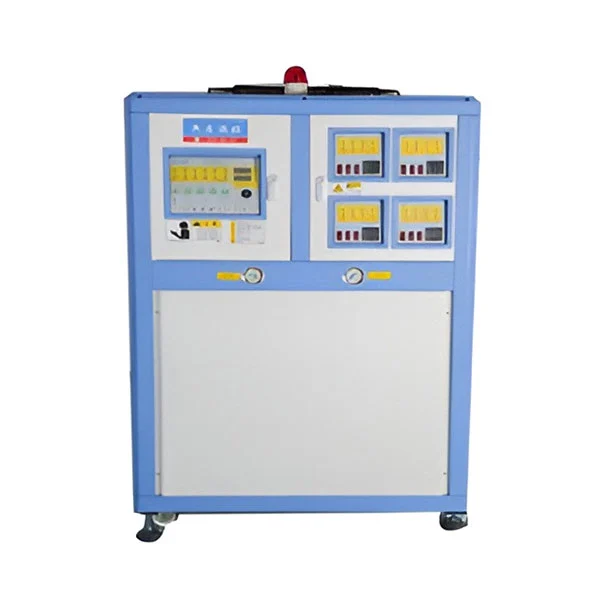
Table of Contents
- Why Is Mold Temperature Control So Important?
- What Is a Type Mold Temperature Controller Machine?
- How Many Types of Mold Temperature Controller Machines Exist?
- Water Type vs. Oil Type: Which Is Better?
- What Temperature Range Do Different Types Cover?
- What Problems Can the Wrong Type Cause?
- How to Select the Right Type for Your Industry?
- Energy Efficiency and Cost Considerations
- Maintenance Tips for Long-Term Stability
- Why Choose Ningbo Ao Kai Precision Temperature Control Technology Co., Ltd.?
- Frequently Asked Questions
1. Why Is Mold Temperature Control So Important?
Mold temperature directly affects:
- Surface finish quality
- Dimensional accuracy
- Cycle time stability
- Internal stress control
- Production efficiency
In injection molding, even a deviation of ±1°C may result in flow marks, warping, or sink marks. In die casting, improper cooling can shorten mold lifespan. For high-gloss plastic parts, temperature uniformity determines final appearance quality.
A professional Type Mold Temperature Controller Machine ensures:
- Precise temperature regulation
- Fast heating and cooling response
- Uniform heat distribution
- Stable long-term operation
2. What Is a Type Mold Temperature Controller Machine?
A Type Mold Temperature Controller Machine is an industrial temperature regulation system designed to control the heating and cooling of molds through circulating water or thermal oil. It maintains consistent mold temperature by:
- Heating via electric heating tubes
- Circulating medium through a pump
- Monitoring temperature with precision sensors
- Automatically adjusting output via PID control
Core components typically include:
| Component | Function |
|---|---|
| Heating Element | Provides rapid and stable heat supply |
| Circulation Pump | Ensures continuous medium flow |
| Temperature Sensor | Monitors real-time mold temperature |
| Controller (PID) | Maintains accurate temperature control |
| Safety Protection System | Prevents overheating and pressure overload |
3. How Many Types of Mold Temperature Controller Machines Exist?
Mold temperature controllers can be classified in several ways:
By Heat Transfer Medium:
- Water Type Mold Temperature Controller
- Oil Type Mold Temperature Controller
By Temperature Range:
- Standard Temperature (≤120°C)
- Medium Temperature (120–180°C)
- High Temperature (180–350°C)
By Structural Design:
- Single-Circuit Type
- Dual-Circuit Type
- Integrated Heating & Cooling Type
Manufacturers such as Ningbo Ao Kai Precision Temperature Control Technology Co., Ltd. offer customized configurations tailored to industry requirements.
4. Water Type vs. Oil Type: Which Is Better?
| Comparison Item | Water Type | Oil Type |
|---|---|---|
| Max Temperature | 120–180°C | 200–350°C |
| Heat Transfer Efficiency | Very High | Moderate |
| Maintenance | Requires anti-scaling | Requires oil replacement |
| Application | Injection molding | High-temperature molding |
| Cost | Lower | Higher |
If your application requires temperatures above 180°C, oil type is mandatory. For most plastic injection molding applications, water type offers better efficiency and lower operating costs.
5. What Temperature Range Do Different Types Cover?
- Standard Water Type: 30°C – 120°C
- Pressurized Water Type: Up to 180°C
- Standard Oil Type: 120°C – 200°C
- High-Temperature Oil Type: Up to 350°C
Choosing the correct temperature range prevents energy waste and overheating failures.
6. What Problems Can the Wrong Type Cause?
- Unstable product dimensions
- Longer cycle times
- Frequent high-temperature alarms
- Increased mold wear
- High electricity bills
Many factories initially purchase low-cost machines without evaluating technical parameters. Later, they face overheating shutdowns, scaling blockage, or oil carbonization. Choosing a professional manufacturer like Ningbo Ao Kai Precision Temperature Control Technology Co., Ltd. helps avoid these costly mistakes.
7. How to Select the Right Type for Your Industry?
Injection Molding Industry
- Recommend: Water Type (120°C)
- Advantages: Fast cooling, high efficiency
Die Casting Industry
- Recommend: Oil Type (200°C+)
- Advantages: Stable high-temperature control
Rubber Molding
- Recommend: Oil Type (High Precision)
Selection Checklist:
- Required maximum temperature?
- Mold channel structure complexity?
- Need for rapid cooling?
- Energy efficiency target?
- Factory voltage compatibility?
8. Energy Efficiency and Cost Considerations
Modern machines incorporate:
- Insulated heating tanks
- High-efficiency pumps
- Intelligent PID control
- Automatic power-saving mode
High-quality systems from Ningbo Ao Kai Precision Temperature Control Technology Co., Ltd. can reduce energy consumption by up to 15–25% compared to outdated equipment.
9. Maintenance Tips for Long-Term Stability
- Regular descaling (water type)
- Thermal oil replacement every 6–12 months
- Check pump pressure weekly
- Inspect safety valves quarterly
- Clean filters monthly
Preventive maintenance significantly reduces downtime and extends service life.
10. Why Choose Ningbo Ao Kai Precision Temperature Control Technology Co., Ltd.?
Ningbo Ao Kai Precision Temperature Control Technology Co., Ltd. specializes in advanced industrial temperature control systems with:
- Over a decade of engineering experience
- High-precision PID digital control systems
- European-imported core components
- Strict factory quality inspection standards
- Customized temperature solutions
Their machines are widely used in plastic injection molding, die casting, rubber processing, and composite industries worldwide.
Frequently Asked Questions
Q1: Can one machine control multiple molds?
A: Yes. Dual-circuit or multi-circuit systems can control separate mold zones independently.
Q2: Is oil type more dangerous than water type?
A: Oil systems operate at higher temperatures and require proper maintenance, but modern machines include full safety protection systems.
Q3: How long does a mold temperature controller last?
A: With proper maintenance, 8–10 years or more.
Q4: What is the heating speed?
A: Typically 3–5°C per minute depending on power configuration.
Q5: Can the machine be customized?
A: Yes. Ningbo Ao Kai Precision Temperature Control Technology Co., Ltd. offers voltage, power, and structural customization.
Conclusion
Selecting the correct Type Mold Temperature Controller Machine is not just about price—it directly impacts product quality, operational efficiency, and long-term profitability. Whether you need a high-speed water system or a high-temperature oil system, understanding your process requirements is the first step.
If you are looking for reliable performance, precision control, and customized industrial temperature solutions, Ningbo Ao Kai Precision Temperature Control Technology Co., Ltd. is your trusted partner. Their engineering team is ready to analyze your production needs and recommend the most suitable configuration.
Ready to improve your production stability and reduce operating costs? Contact us today to get professional consultation and tailored solutions.
Send Inquiry
-
E-mail
X
We use cookies to offer you a better browsing experience, analyze site traffic and personalize content. By using this site, you agree to our use of cookies.
Privacy Policy