

- English
 Esperanto
 Afrikaans
 Català
 שפה עברית
 Cymraeg
 Galego
 Latviešu
 icelandic
 ייִדיש
 беларускі
 Hrvatski
 Kreyòl ayisyen
 Shqiptar
 Malti
Malti lugha ya Kiswahili
 አማርኛ
አማርኛ Bosanski
 Frysk
Frysk ភាសាខ្មែរ
 ქართული
 ગુજરાતી
 Hausa
Hausa Кыргыз тили
 ಕನ್ನಡ
ಕನ್ನಡ Corsa
Corsa Kurdî
Kurdî മലയാളം
 Maori
Maori Монгол хэл
 Hmong
Hmong IsiXhosa
 Zulu
Zulu Yoruba
 অসমীয়া
 ଓଡିଆ
ଓଡିଆ Punjabi
 پښتو
پښتو Chichewa
 Samoa
Samoa Sesotho
 සිංහල
සිංහල Gàidhlig
 Cebuano
 Somali
 Тоҷикӣ
 O'zbek
 Hawaiian
 سنڌي
سنڌي Shinra
 Հայերեն
 Igbo
Igbo Sundanese
 Lëtzebuergesch
 Malagasy
 Español
 Português
 русский
 Français
 日本語
日本語 Deutsch
 tiếng Việt
 Italiano
 Nederlands
 ภาษาไทย
 Polski
 한국어
한국어 Svenska
 magyar
 Malay
Malay বাংলা ভাষার
 Dansk
Dansk Suomi
Suomi हिन्दी
 Pilipino
 Türkçe
 Gaeilge
 العربية
 Indonesia
 Norsk
Norsk تمل
تمل český
český ελληνικά
 український
 Javanese
 فارسی
فارسی தமிழ்
தமிழ் తెలుగు
 नेपाली
 Burmese
 български
 ລາວ
ລາວ Latine
 Қазақша
 Euskal
 Azərbaycan
 Slovenský jazyk
 Македонски
 Lietuvos
 Eesti Keel
 Română
 Slovenski
 मराठी
मराठी Srpski језик

Why Is a Commercial Cold Water Chiller Essential for Modern Industrial Cooling?
Industrial operations generate large amounts of heat that must be carefully managed to maintain efficiency, product quality, and equipment longevity. A Commercial Cold Water Chiller is one of the most effective cooling solutions used across manufacturing, food processing, plastics, medical equipment, and data infrastructure. This comprehensive guide explores how commercial chillers work, why they are vital for industrial systems, how to select the right model, and what factors businesses should consider when investing in cooling technology. The article also highlights common challenges faced by businesses and how modern cooling systems—such as those provided by Ningbo Ao Kai Precision Temperature Control Technology Co., Ltd.—help solve them.
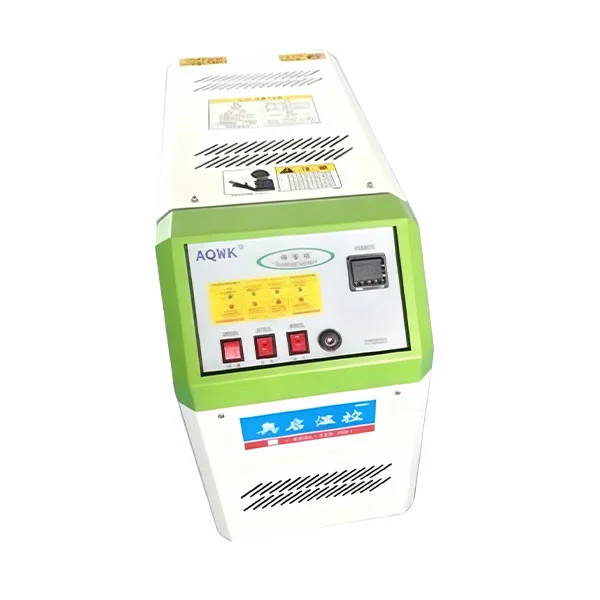
Table of Contents
- 1. Introduction to Commercial Cold Water Chillers
- 2. Understanding the Working Principle of Chiller Systems
- 3. Key Components of a Commercial Chiller
- 4. Industries That Depend on Chiller Technology
- 5. Common Cooling Challenges Businesses Face
- 6. How Commercial Cold Water Chillers Solve These Problems
- 7. Types of Commercial Cold Water Chillers
- 8. Comparison of Air-Cooled vs Water-Cooled Systems
- 9. Factors to Consider When Choosing a Chiller
- 10. Energy Efficiency and Cost Savings
- 11. Maintenance Best Practices
- 12. Why Reliable Manufacturers Matter
- 13. Future Trends in Industrial Cooling Technology
- 14. Frequently Asked Questions
- 15. Final Thoughts
1. Introduction to Commercial Cold Water Chillers
Temperature control plays a critical role in modern industry. Whether producing plastic components, processing food, operating medical equipment, or cooling industrial machinery, maintaining stable temperatures is essential for efficiency and product quality.
A Commercial Cold Water Chiller is a refrigeration system designed to remove heat from liquids and circulate cooled water through industrial processes. This chilled water absorbs heat from equipment or products, maintaining optimal operating conditions.
Without proper cooling systems, businesses often experience:
- Equipment overheating
- Reduced production efficiency
- Shorter machine lifespan
- Inconsistent product quality
- Higher energy consumption
Manufacturers like Ningbo Ao Kai Precision Temperature Control Technology Co., Ltd. specialize in designing high-precision industrial chillers that help companies maintain stable and reliable cooling performance.
2. Understanding the Working Principle of Chiller Systems
To fully appreciate the value of a commercial cold water chiller, it helps to understand how the system works. Chillers operate using a refrigeration cycle designed to remove heat from water and transfer it elsewhere.
The basic cycle involves four main stages:
- Evaporation – Heat from the process water is absorbed by refrigerant.
- Compression – The compressor raises the refrigerant pressure and temperature.
- Condensation – Heat is released to the environment through air or water.
- Expansion – Pressure drops, preparing the refrigerant to absorb heat again.
The chilled water then circulates through pipes or cooling jackets around equipment. This continuous loop ensures stable temperature regulation.
Advanced chillers from Ningbo Ao Kai Precision Temperature Control Technology Co., Ltd. integrate smart control systems that maintain precise temperature ranges for demanding industrial processes.
3. Key Components of a Commercial Chiller
Every commercial chiller contains several essential components working together to provide consistent cooling.
| Component | Function |
|---|---|
| Compressor | Circulates refrigerant and increases pressure for heat transfer |
| Evaporator | Absorbs heat from water or process fluid |
| Condenser | Releases absorbed heat into air or water |
| Expansion Valve | Regulates refrigerant flow and pressure |
| Water Pump | Circulates chilled water through the system |
| Control System | Maintains temperature settings and system safety |
Modern chillers often incorporate digital monitoring systems to ensure reliability and reduce operational risks.
4. Industries That Depend on Chiller Technology
Commercial cold water chillers are used across many industries because temperature stability is essential for production and safety.
- Plastic injection molding
- Food and beverage processing
- Pharmaceutical manufacturing
- Laser cutting equipment
- Chemical processing
- Printing machinery
- Electronics manufacturing
- Medical imaging equipment
Companies like Ningbo Ao Kai Precision Temperature Control Technology Co., Ltd. develop customized cooling solutions tailored to specific industry requirements.
5. Common Cooling Challenges Businesses Face
Industrial facilities often encounter multiple temperature control challenges that affect productivity and operating costs.
Typical issues include:
- Inconsistent cooling performance
- High energy consumption
- Frequent equipment shutdowns
- Cooling system inefficiency
- Complex maintenance requirements
- Limited installation space
These issues can lead to costly downtime and reduced product quality.
6. How Commercial Cold Water Chillers Solve These Problems
A well-designed commercial chiller directly addresses the most common cooling challenges faced by industrial operators.
Key advantages include:
- Stable temperature control
- Improved machine lifespan
- Lower production downtime
- Better product consistency
- Reduced energy costs
- Efficient heat removal
Advanced engineering from Ningbo Ao Kai Precision Temperature Control Technology Co., Ltd. ensures their systems deliver reliable cooling even in demanding industrial environments.
7. Types of Commercial Cold Water Chillers
Commercial chillers come in several different designs depending on the cooling method and application requirements.
- Air-cooled chillers – Use fans and ambient air to remove heat.
- Water-cooled chillers – Use cooling towers and water circulation.
- Portable chillers – Compact systems for flexible use.
- Centralized chillers – Large systems designed for multiple machines.
- Industrial process chillers – Specialized for manufacturing equipment.
8. Comparison of Air-Cooled vs Water-Cooled Systems
| Feature | Air-Cooled Chiller | Water-Cooled Chiller |
|---|---|---|
| Installation | Simple installation | Requires cooling tower |
| Maintenance | Lower maintenance | More maintenance needed |
| Efficiency | Moderate efficiency | Higher efficiency |
| Best Application | Small to medium facilities | Large industrial operations |
9. Factors to Consider When Choosing a Chiller
Selecting the right chiller is critical to ensure long-term efficiency and reliability.
Key factors include:
- Cooling capacity requirements
- Energy efficiency ratings
- Installation space
- Climate conditions
- Maintenance requirements
- System scalability
- Automation and monitoring features
Working with an experienced manufacturer such as Ningbo Ao Kai Precision Temperature Control Technology Co., Ltd. can help businesses identify the most suitable system configuration.
10. Energy Efficiency and Cost Savings
Energy consumption is one of the largest operational expenses in industrial cooling systems.
Modern commercial cold water chillers include features designed to minimize energy use:
- Variable speed compressors
- Smart temperature control systems
- Optimized heat exchangers
- Advanced insulation technology
- Energy-efficient refrigerants
These improvements can significantly reduce electricity consumption while maintaining high cooling performance.
11. Maintenance Best Practices
Regular maintenance ensures optimal performance and extends the lifespan of commercial chillers.
Recommended maintenance tasks include:
- Cleaning condenser coils
- Checking refrigerant levels
- Inspecting pumps and valves
- Monitoring system pressure
- Testing safety controls
Many advanced systems from Ningbo Ao Kai Precision Temperature Control Technology Co., Ltd. include automated monitoring features that simplify maintenance and diagnostics.
12. Why Reliable Manufacturers Matter
Not all chiller systems offer the same level of performance, reliability, or efficiency.
Choosing a trusted manufacturer ensures:
- Consistent product quality
- Accurate temperature control
- Reliable technical support
- Custom engineering solutions
- Long-term durability
Ningbo Ao Kai Precision Temperature Control Technology Co., Ltd. has built a strong reputation for delivering precision cooling equipment designed to meet demanding industrial standards.
13. Future Trends in Industrial Cooling Technology
Industrial cooling technology continues to evolve as manufacturers seek higher efficiency and smarter automation.
Key emerging trends include:
- AI-driven temperature management
- Remote monitoring and diagnostics
- Environmentally friendly refrigerants
- Energy-efficient compressor technologies
- Integrated industrial IoT systems
These innovations will continue improving reliability and energy efficiency across industrial cooling applications.
14. Frequently Asked Questions
What is the main purpose of a commercial cold water chiller?
Its main function is to remove heat from industrial processes and maintain stable operating temperatures.
How do I determine the right chiller capacity?
Capacity depends on heat load, equipment size, environmental conditions, and production requirements.
Are air-cooled chillers better than water-cooled chillers?
Each has advantages. Air-cooled systems are easier to install, while water-cooled systems are generally more energy efficient for large facilities.
How long does a commercial chiller typically last?
With proper maintenance, industrial chillers can operate efficiently for 10–20 years or more.
Can chillers improve production efficiency?
Yes. Stable cooling prevents overheating, ensures consistent product quality, and reduces downtime.
15. Final Thoughts
A Commercial Cold Water Chiller is a critical component of modern industrial infrastructure. From manufacturing and medical equipment to food processing and electronics production, effective temperature control directly impacts productivity, equipment reliability, and operational costs.
Investing in a high-quality chiller ensures long-term efficiency, stable performance, and reduced energy consumption. Partnering with a trusted manufacturer such as Ningbo Ao Kai Precision Temperature Control Technology Co., Ltd. allows businesses to benefit from advanced engineering, customized solutions, and reliable technical support.
If your facility is looking for reliable industrial cooling solutions, professional guidance, or customized temperature control systems, contact us today. The expert team at Ningbo Ao Kai Precision Temperature Control Technology Co., Ltd. is ready to help you find the perfect cooling solution for your business.
Send Inquiry
-
E-mail
X
We use cookies to offer you a better browsing experience, analyze site traffic and personalize content. By using this site, you agree to our use of cookies.
Privacy Policy