

- English
 Esperanto
 Afrikaans
 Català
 שפה עברית
 Cymraeg
 Galego
 Latviešu
 icelandic
 ייִדיש
 беларускі
 Hrvatski
 Kreyòl ayisyen
 Shqiptar
 Malti
Malti lugha ya Kiswahili
 አማርኛ
አማርኛ Bosanski
 Frysk
Frysk ភាសាខ្មែរ
 ქართული
 ગુજરાતી
 Hausa
Hausa Кыргыз тили
 ಕನ್ನಡ
ಕನ್ನಡ Corsa
Corsa Kurdî
Kurdî മലയാളം
 Maori
Maori Монгол хэл
 Hmong
Hmong IsiXhosa
 Zulu
Zulu Yoruba
 অসমীয়া
 ଓଡିଆ
ଓଡିଆ Punjabi
 پښتو
پښتو Chichewa
 Samoa
Samoa Sesotho
 සිංහල
සිංහල Gàidhlig
 Cebuano
 Somali
 Тоҷикӣ
 O'zbek
 Hawaiian
 سنڌي
سنڌي Shinra
 Հայերեն
 Igbo
Igbo Sundanese
 Lëtzebuergesch
 Malagasy
 Español
 Português
 русский
 Français
 日本語
日本語 Deutsch
 tiếng Việt
 Italiano
 Nederlands
 ภาษาไทย
 Polski
 한국어
한국어 Svenska
 magyar
 Malay
Malay বাংলা ভাষার
 Dansk
Dansk Suomi
Suomi हिन्दी
 Pilipino
 Türkçe
 Gaeilge
 العربية
 Indonesia
 Norsk
Norsk تمل
تمل český
český ελληνικά
 український
 Javanese
 فارسی
فارسی தமிழ்
தமிழ் తెలుగు
 नेपाली
 Burmese
 български
 ລາວ
ລາວ Latine
 Қазақша
 Euskal
 Azərbaycan
 Slovenský jazyk
 Македонски
 Lietuvos
 Eesti Keel
 Română
 Slovenski
 मराठी
मराठी Srpski језик

How Does a Low Temperature Chiller Improve Industrial Cooling Efficiency?
Abstract
Low temperature chillers are essential in industries requiring precise thermal control below standard cooling ranges. From pharmaceutical processing to chemical manufacturing and food preservation, maintaining stable low temperatures directly impacts product quality, safety, and operational efficiency. This article explains how low temperature chillers work, their advantages, key selection criteria, and how businesses can solve common cooling challenges using advanced systems.
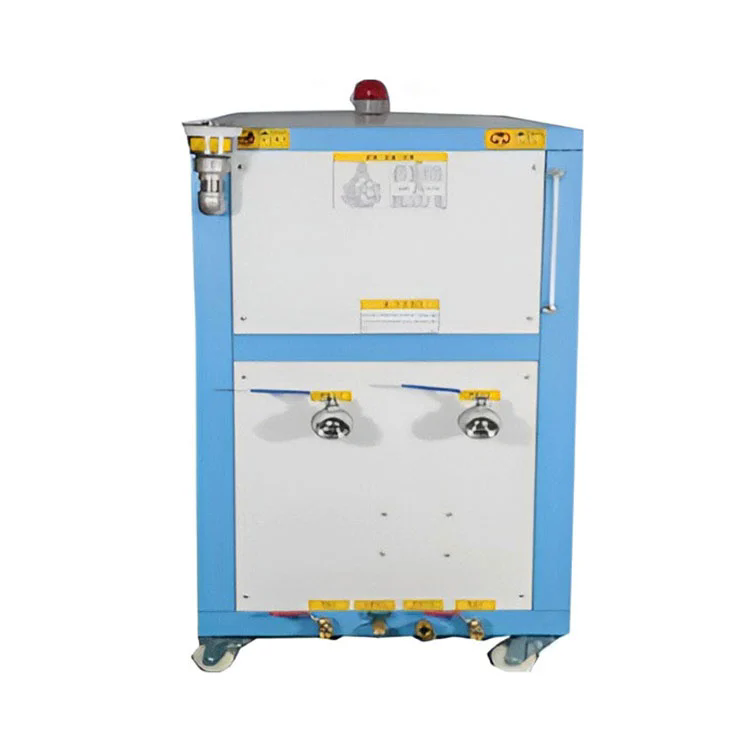
Table of Contents
- 1. What Is a Low Temperature Chiller?
- 2. How Does a Low Temperature Chiller Work?
- 3. Key Benefits for Industrial Applications
- 4. Common Customer Pain Points and Solutions
- 5. Technical Specifications Overview
- 6. How to Choose the Right Low Temperature Chiller
- 7. Application Scenarios
- 8. Maintenance and Optimization Tips
- 9. FAQ
1. What Is a Low Temperature Chiller?
A low temperature chiller is a refrigeration system designed to provide cooling at temperatures typically ranging from -10°C to -120°C. Unlike standard chillers, these systems are engineered with specialized compressors, refrigerants, and insulation to maintain ultra-low and stable temperatures.
They are widely used in industries where precise thermal management is critical, including chemical processing, pharmaceuticals, aerospace testing, and semiconductor manufacturing.
2. How Does a Low Temperature Chiller Work?
Low temperature chillers operate based on the vapor-compression refrigeration cycle but are optimized for extreme conditions. The process includes:
- Compression: Refrigerant gas is compressed, increasing its temperature and pressure.
- Condensation: Heat is released as the refrigerant condenses into liquid form.
- Expansion: Pressure drops, causing rapid cooling.
- Evaporation: The refrigerant absorbs heat from the process fluid, lowering its temperature.
Advanced systems from AQWK often integrate multi-stage compression or cascade systems to achieve deeper cooling levels efficiently.
3. Key Benefits for Industrial Applications
- Precision Temperature Control: Maintains stable output even under fluctuating loads.
- Energy Efficiency: Modern inverter-driven compressors reduce energy consumption.
- Reliability: Designed for continuous operation in demanding environments.
- Process Consistency: Ensures uniform product quality.
- Wide Temperature Range: Suitable for diverse industrial needs.
4. Common Customer Pain Points and Solutions
| Pain Point | Cause | Solution |
|---|---|---|
| Unstable cooling performance | Inadequate system design | Use precision-controlled chillers with PID regulation |
| High energy consumption | Outdated compressor technology | Adopt inverter or multi-stage systems |
| Frequent system shutdowns | Overload or poor heat dissipation | Install proper ventilation and load balancing |
| Insufficient low temperature range | Single-stage cooling limitation | Choose cascade refrigeration systems |
| Maintenance complexity | Poor system accessibility | Select modular, service-friendly designs |
5. Technical Specifications Overview
| Parameter | Typical Range |
|---|---|
| Temperature Range | -10°C to -120°C |
| Cooling Capacity | 1 kW to 200 kW |
| Refrigerants | R404A, R507, R23 |
| Control System | PLC / Microcontroller |
| Power Supply | 220V / 380V / 460V |
6. How to Choose the Right Low Temperature Chiller
Selecting the appropriate system requires careful evaluation of several engineering factors:
- Temperature Requirement: Define the lowest operational temperature needed.
- Cooling Load: Calculate heat load based on process conditions.
- Environmental Conditions: Consider ambient temperature and installation space.
- Energy Efficiency Goals: Look for systems with optimized COP.
- System Integration: Ensure compatibility with existing production lines.
AQWK provides customized solutions tailored to specific industrial applications, ensuring optimal performance and cost-efficiency.
7. Application Scenarios
- Chemical reaction cooling
- Pharmaceutical storage and processing
- Food freezing and preservation
- Semiconductor manufacturing
- Aerospace material testing
- Laboratory research
8. Maintenance and Optimization Tips
- Regularly inspect refrigerant levels
- Clean condenser and evaporator coils
- Monitor system pressure and temperature
- Ensure proper insulation of pipelines
- Schedule periodic professional servicing
Preventive maintenance significantly extends equipment lifespan and ensures stable performance.
9. FAQ
Q1: What temperature can a low temperature chiller reach?
A: Depending on the design, it can reach as low as -120°C using cascade systems.
Q2: Is a low temperature chiller energy-intensive?
A: Modern systems are designed with energy-saving technologies, significantly reducing operational costs.
Q3: How long does a chiller last?
A: With proper maintenance, the lifespan can exceed 10–15 years.
Q4: Can it operate continuously?
A: Yes, industrial-grade chillers are designed for 24/7 operation.
Q5: Does AQWK offer customization?
A: Yes, AQWK provides tailored solutions based on specific industrial requirements.
Conclusion
Low temperature chillers are indispensable for industries requiring precise and stable cooling solutions. By understanding their working principles, benefits, and selection criteria, businesses can significantly improve efficiency, reduce costs, and ensure product quality.
If you are looking for a reliable and high-performance solution, AQWK offers advanced low temperature chiller systems tailored to your needs. Contact us today to get expert guidance and customized solutions for your application.
Send Inquiry
-
E-mail
X
We use cookies to offer you a better browsing experience, analyze site traffic and personalize content. By using this site, you agree to our use of cookies.
Privacy Policy