

- English
 Esperanto
 Afrikaans
 Català
 שפה עברית
 Cymraeg
 Galego
 Latviešu
 icelandic
 ייִדיש
 беларускі
 Hrvatski
 Kreyòl ayisyen
 Shqiptar
 Malti
Malti lugha ya Kiswahili
 አማርኛ
አማርኛ Bosanski
 Frysk
Frysk ភាសាខ្មែរ
 ქართული
 ગુજરાતી
 Hausa
Hausa Кыргыз тили
 ಕನ್ನಡ
ಕನ್ನಡ Corsa
Corsa Kurdî
Kurdî മലയാളം
 Maori
Maori Монгол хэл
 Hmong
Hmong IsiXhosa
 Zulu
Zulu Yoruba
 অসমীয়া
 ଓଡିଆ
ଓଡିଆ Punjabi
 پښتو
پښتو Chichewa
 Samoa
Samoa Sesotho
 සිංහල
සිංහල Gàidhlig
 Cebuano
 Somali
 Тоҷикӣ
 O'zbek
 Hawaiian
 سنڌي
سنڌي Shinra
 Հայերեն
 Igbo
Igbo Sundanese
 Lëtzebuergesch
 Malagasy
 Español
 Português
 русский
 Français
 日本語
日本語 Deutsch
 tiếng Việt
 Italiano
 Nederlands
 ภาษาไทย
 Polski
 한국어
한국어 Svenska
 magyar
 Malay
Malay বাংলা ভাষার
 Dansk
Dansk Suomi
Suomi हिन्दी
 Pilipino
 Türkçe
 Gaeilge
 العربية
 Indonesia
 Norsk
Norsk تمل
تمل český
český ελληνικά
 український
 Javanese
 فارسی
فارسی தமிழ்
தமிழ் తెలుగు
 नेपाली
 Burmese
 български
 ລາວ
ລາວ Latine
 Қазақша
 Euskal
 Azərbaycan
 Slovenský jazyk
 Македонски
 Lietuvos
 Eesti Keel
 Română
 Slovenski
 मराठी
मराठी Srpski језик

How Does a Heating Controlling Machine Improve Industrial Efficiency?
Abstract: Heating controlling machines are critical components in modern industrial processes, enabling precise temperature regulation, improved energy efficiency, and consistent product quality. This article explores how these machines function, their key advantages, selection criteria, and practical applications across industries. Whether you are optimizing manufacturing operations or reducing energy costs, understanding heating control systems is essential for achieving reliable and scalable performance.
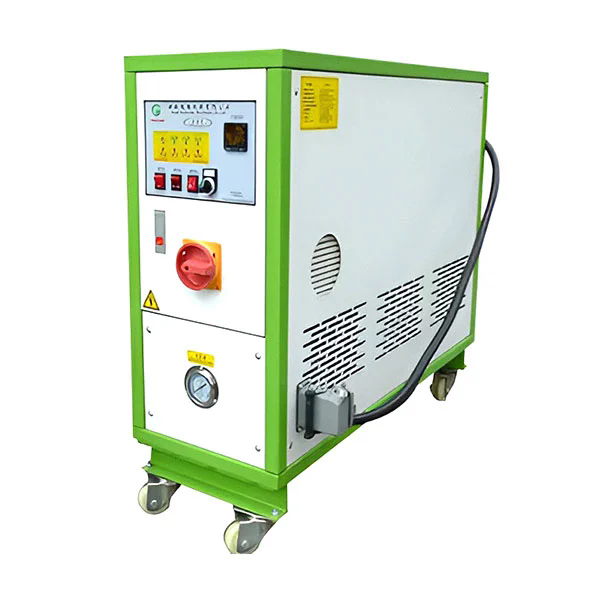
Table of Contents
- 1. What Is a Heating Controlling Machine?
- 2. How Does a Heating Controlling Machine Work?
- 3. Key Benefits for Industrial Users
- 4. Common Customer Pain Points and Solutions
- 5. Applications Across Industries
- 6. How to Choose the Right Machine
- 7. Technical Comparison Table
- 8. Maintenance and Best Practices
- 9. FAQ
1. What Is a Heating Controlling Machine?
A Heating Controlling Machine is an automated system designed to regulate temperature in industrial or commercial processes. It integrates sensors, controllers, and heating elements to maintain precise thermal conditions.
These systems are widely used in industries such as plastics, chemical processing, food production, and packaging, where temperature consistency directly affects product quality and operational efficiency.
2. How Does a Heating Controlling Machine Work?
The working principle of a heating controlling machine is based on closed-loop control systems. It continuously monitors temperature and adjusts heating output accordingly.
- Temperature Sensors: Detect real-time temperature data.
- Controller Unit: Processes data and compares it with the preset value.
- Heating Element: Adjusts output to maintain target temperature.
- Feedback Loop: Ensures continuous correction and stability.
This automated process eliminates manual intervention and ensures consistent thermal performance.
3. Key Benefits for Industrial Users
Implementing a high-quality heating controlling machine offers several operational advantages:
- Precision Control: Maintains exact temperature ranges for sensitive processes.
- Energy Efficiency: Reduces unnecessary energy consumption.
- Improved Product Quality: Ensures uniform results across batches.
- Automation: Minimizes manual errors and labor costs.
- Safety: Prevents overheating and equipment damage.
Companies like AQWK specialize in advanced heating control solutions that combine reliability with intelligent system design.
4. Common Customer Pain Points and Solutions
Many businesses face challenges when dealing with temperature control systems. Below are typical issues and how modern machines address them:
- Inconsistent Temperature: Solved by PID control algorithms.
- High Energy Costs: Optimized heating cycles reduce consumption.
- Equipment Downtime: Smart diagnostics enable early fault detection.
- Complex Operation: User-friendly interfaces simplify control.
Advanced systems from AQWK are designed to directly target these challenges, improving operational stability and reducing long-term costs.
5. Applications Across Industries
Heating controlling machines are versatile and adaptable to multiple sectors:
- Plastic Processing: Injection molding temperature control
- Food Industry: Cooking, drying, and sterilization
- Chemical Manufacturing: Reaction temperature management
- Textile Industry: Dyeing and finishing processes
- Pharmaceuticals: Controlled environment production
Each application demands precise thermal management, making reliable control systems essential.
6. How to Choose the Right Machine
Selecting the appropriate heating controlling machine requires evaluating several technical parameters:
- Temperature Range: Ensure compatibility with your process
- Control Accuracy: Look for high precision systems
- Heating Capacity: Match output with operational needs
- Energy Efficiency: Consider long-term cost savings
- System Integration: Compatibility with existing equipment
For detailed product specifications, you can explore AQWK’s solutions here:
Heating Controlling Machine Product Page
7. Technical Comparison Table
| Feature | Basic Model | Advanced Model |
|---|---|---|
| Temperature Accuracy | ±2°C | ±0.5°C |
| Control System | Manual/PID | Smart PID + Digital Interface |
| Energy Efficiency | Standard | High Efficiency Optimization |
| Automation Level | Low | Fully Automated |
| Maintenance | Regular | Predictive Diagnostics |
8. Maintenance and Best Practices
Proper maintenance ensures long-term performance and reliability:
- Regularly inspect sensors and wiring
- Calibrate temperature controls periodically
- Clean heating elements to prevent buildup
- Monitor system performance through logs
- Schedule professional servicing when needed
Following these practices helps maximize lifespan and maintain consistent output.
9. FAQ
Q1: What industries benefit most from heating controlling machines?
A: Industries requiring precise temperature regulation such as plastics, food processing, and pharmaceuticals benefit the most.
Q2: How does a heating controlling machine reduce energy costs?
A: By optimizing heating cycles and maintaining precise temperatures, it eliminates unnecessary energy usage.
Q3: Is it difficult to operate these machines?
A: Modern systems are designed with user-friendly interfaces, making them easy to operate even for non-experts.
Q4: How often should maintenance be performed?
A: Routine checks should be conducted monthly, with full servicing scheduled annually.
Q5: Why choose AQWK?
A: AQWK provides reliable, high-performance heating controlling machines designed to meet diverse industrial requirements.
Conclusion: Heating controlling machines play a crucial role in improving efficiency, reducing costs, and ensuring product consistency. Investing in a high-quality solution from AQWK can significantly enhance your operational performance and competitiveness.
Looking to upgrade your temperature control system? Contact us today to discover how AQWK can provide tailored heating controlling solutions that meet your exact industrial needs.
Send Inquiry
-
E-mail
X
We use cookies to offer you a better browsing experience, analyze site traffic and personalize content. By using this site, you agree to our use of cookies.
Privacy Policy