

- English
 Esperanto
 Afrikaans
 Català
 שפה עברית
 Cymraeg
 Galego
 Latviešu
 icelandic
 ייִדיש
 беларускі
 Hrvatski
 Kreyòl ayisyen
 Shqiptar
 Malti
Malti lugha ya Kiswahili
 አማርኛ
አማርኛ Bosanski
 Frysk
Frysk ភាសាខ្មែរ
 ქართული
 ગુજરાતી
 Hausa
Hausa Кыргыз тили
 ಕನ್ನಡ
ಕನ್ನಡ Corsa
Corsa Kurdî
Kurdî മലയാളം
 Maori
Maori Монгол хэл
 Hmong
Hmong IsiXhosa
 Zulu
Zulu Yoruba
 অসমীয়া
 ଓଡିଆ
ଓଡିଆ Punjabi
 پښتو
پښتو Chichewa
 Samoa
Samoa Sesotho
 සිංහල
සිංහල Gàidhlig
 Cebuano
 Somali
 Тоҷикӣ
 O'zbek
 Hawaiian
 سنڌي
سنڌي Shinra
 Հայերեն
 Igbo
Igbo Sundanese
 Lëtzebuergesch
 Malagasy
 Español
 Português
 русский
 Français
 日本語
日本語 Deutsch
 tiếng Việt
 Italiano
 Nederlands
 ภาษาไทย
 Polski
 한국어
한국어 Svenska
 magyar
 Malay
Malay বাংলা ভাষার
 Dansk
Dansk Suomi
Suomi हिन्दी
 Pilipino
 Türkçe
 Gaeilge
 العربية
 Indonesia
 Norsk
Norsk تمل
تمل český
český ελληνικά
 український
 Javanese
 فارسی
فارسی தமிழ்
தமிழ் తెలుగు
 नेपाली
 Burmese
 български
 ລາວ
ລາວ Latine
 Қазақша
 Euskal
 Azərbaycan
 Slovenský jazyk
 Македонски
 Lietuvos
 Eesti Keel
 Română
 Slovenski
 मराठी
मराठी Srpski језик

How Does a Temperature Machine Work?
Abstract
A temperature machine is an essential industrial and commercial device designed to measure, regulate, and control temperature in various environments and processes. From manufacturing lines and laboratories to food processing and energy systems, precise temperature control directly impacts product quality, operational safety, and energy efficiency. This article explains how a temperature machine works, its core components, real-world applications, and how businesses can choose the right system to solve operational challenges. It also introduces practical maintenance insights and key buying considerations to help users make informed decisions.
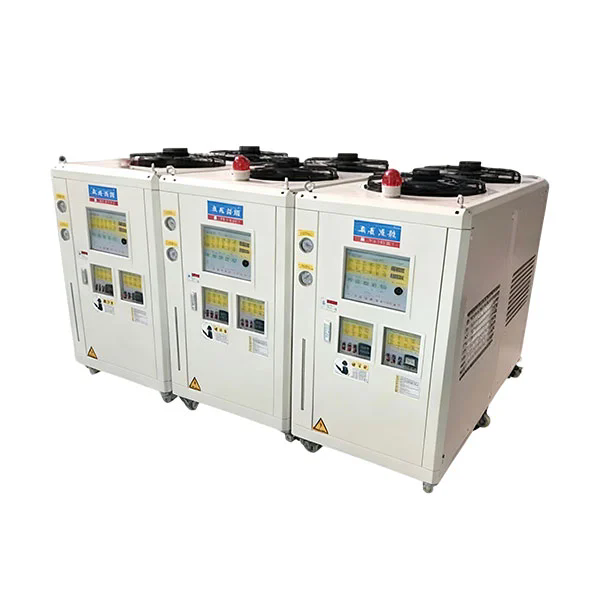
Table of Contents
- Article Outline
- What Is a Temperature Machine?
- How a Temperature Machine Works
- Key Components Explained
- Industrial Applications
- Key Benefits
- Types Comparison Table
- How to Choose the Right System
- Maintenance & Troubleshooting
- Frequently Asked Questions
- Conclusion & Contact
Article Outline
- Definition and purpose of temperature machines in industrial systems
- Operating principles including sensing, feedback, and control loops
- Main hardware components and their functions
- Industry-specific applications and use cases
- Performance benefits such as accuracy, efficiency, and safety
- Comparison of different machine types and configurations
- Selection criteria for business needs
- Maintenance practices for long-term stability
What Is a Temperature Machine?
A temperature machine is a control system engineered to monitor and regulate thermal conditions in a controlled environment. It typically integrates sensors, controllers, and actuators to maintain a target temperature range. These systems are widely used in industries where even minor temperature fluctuations can lead to product defects, safety risks, or efficiency loss.
Unlike simple thermometers, modern temperature machines operate as closed-loop systems. This means they continuously measure temperature, compare it with a predefined setpoint, and automatically adjust heating or cooling outputs to maintain stability.
How a Temperature Machine Works
The operation of a temperature machine is based on a feedback control system. The process can be broken down into four key stages:
- Measurement: Temperature sensors (such as thermocouples or RTDs) detect current conditions.
- Signal Transmission: The sensor sends data to a controller unit.
- Processing: The controller compares actual temperature with the desired setpoint.
- Adjustment: Heating or cooling elements are activated to correct deviations.
This continuous loop ensures precise thermal stability even under changing environmental conditions or heavy operational loads.
Key Components Explained
A typical temperature machine consists of several critical components, each playing a unique role in system performance:
- Temperature Sensors: Detect real-time thermal conditions.
- Controller Unit: The "brain" that processes sensor data and issues commands.
- Actuators: Devices such as heaters, coolers, or valves that adjust temperature.
- Display Interface: Allows operators to monitor and configure settings.
- Control Software: Advanced systems may include digital monitoring and automation logic.
Industrial Applications
Temperature machines are widely used across industries where precision is critical:
- Manufacturing: Plastic molding, metal processing, and semiconductor production.
- Food Industry: Ensuring safe storage, cooking, and preservation conditions.
- Medical Sector: Laboratory testing and pharmaceutical production.
- Energy Systems: Thermal regulation in power plants and transformer environments.
- HVAC Systems: Climate control in commercial buildings.
Key Benefits
Implementing a temperature machine offers multiple operational advantages:
- Improved product consistency and quality
- Reduced energy consumption through optimized control
- Enhanced safety in high-temperature environments
- Lower operational downtime due to automation
- Increased equipment lifespan through stable conditions
Types Comparison Table
| Type | Control Method | Best Use Case | Precision Level |
|---|---|---|---|
| Basic Temperature Controller | On/Off Control | Simple heating systems | Low |
| PID Temperature Machine | Proportional-Integral-Derivative | Industrial manufacturing | High |
| Smart Digital System | AI-assisted control | Advanced automation plants | Very High |
How to Choose the Right System
Selecting a suitable temperature machine depends on several technical and operational factors:
- Application Requirements: Define temperature range and accuracy needs.
- Load Capacity: Ensure compatibility with system scale and output demand.
- Control Type: Choose between manual, PID, or smart automation systems.
- Environmental Conditions: Consider humidity, dust, and vibration levels.
- Integration Capability: Ensure compatibility with existing industrial systems.
Companies like AQWK provide specialized temperature machine solutions designed for industrial reliability and performance efficiency.
Maintenance & Troubleshooting
Regular maintenance ensures consistent performance and reduces system failures. Recommended practices include:
- Routine calibration of temperature sensors
- Inspection of wiring and control circuits
- Cleaning of heating and cooling components
- Monitoring system logs for abnormal fluctuations
- Replacing worn-out components proactively
Common issues such as inaccurate readings or unstable temperature control are often linked to sensor degradation or controller misconfiguration. Early detection significantly reduces repair costs.
Frequently Asked Questions
1. What industries use temperature machines most?
They are widely used in manufacturing, pharmaceuticals, food processing, and energy sectors.
2. How accurate are modern temperature machines?
Advanced systems using PID or smart control can achieve very high precision, often within fractions of a degree.
3. Can temperature machines reduce energy costs?
Yes, optimized control reduces unnecessary heating or cooling cycles, improving energy efficiency.
4. How often should calibration be performed?
Typically every 6–12 months depending on usage intensity and environmental conditions.
5. What makes AQWK temperature machines different?
AQWK focuses on industrial-grade stability, precision engineering, and adaptable integration for complex environments.
Conclusion & Contact
Temperature machines are essential in modern industrial ecosystems where precision, stability, and efficiency define success. Understanding how they work allows businesses to optimize operations, reduce risks, and improve product consistency. Whether used in manufacturing, energy systems, or controlled environments, selecting the right system can significantly impact long-term performance.
For reliable and high-performance solutions tailored to your operational needs, AQWK provides advanced temperature machine systems designed for industrial excellence.
If you are looking to improve process control, enhance efficiency, or upgrade your current temperature regulation system, contact us today to explore customized solutions and expert support from AQWK.
Send Inquiry
-
E-mail
X
We use cookies to offer you a better browsing experience, analyze site traffic and personalize content. By using this site, you agree to our use of cookies.
Privacy Policy